Beyond Hyper-Personalization: How AI is Redefining the Event Experience
A New Era in Events: Bidding Farewell to One-Size-Fits-All
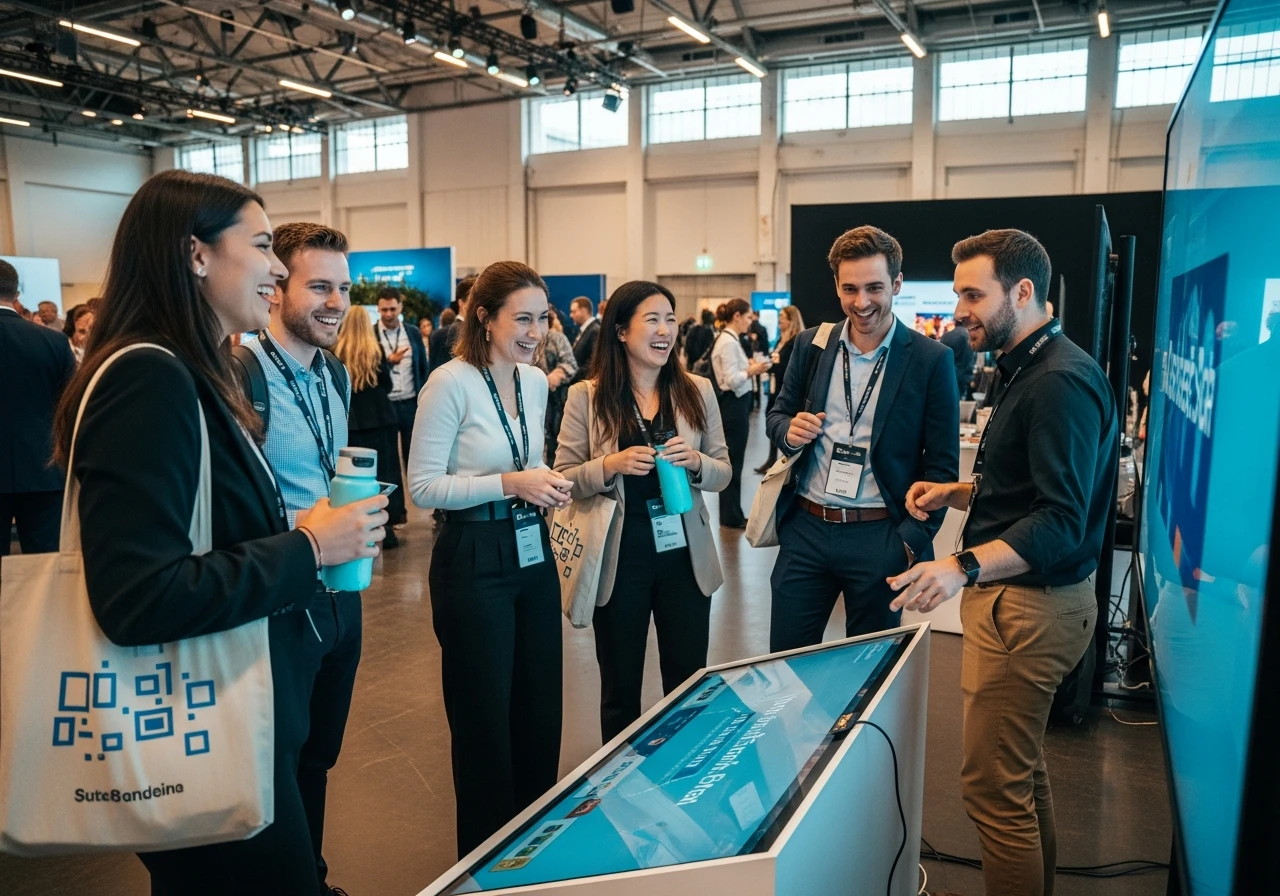
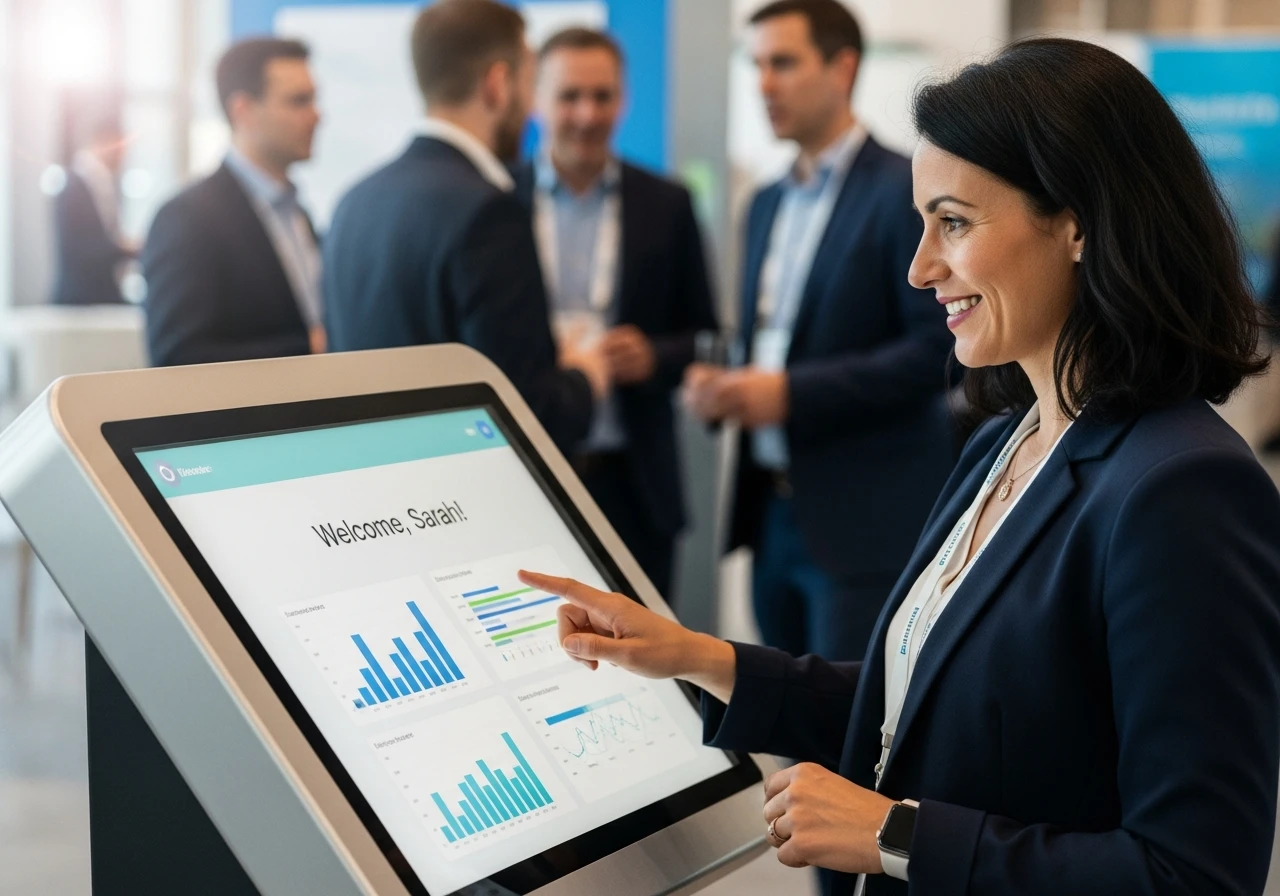
In a world where participants create their personal soundtracks with Spotify Wrapped lists and Nike offers tailored training programs, brand experiences and events can no longer afford the luxury of a one-size-fits-all broadcast. Today's consumer expects a unique, meaningful, and relevant experience in every interaction. This expectation is forcing a radical transformation in the event industry. AI-powered events are at the heart of this shift, enabling a transition from mass communication to hyper-personalized dialogues. However, this signifies far more than simply displaying a participant's name on a screen.
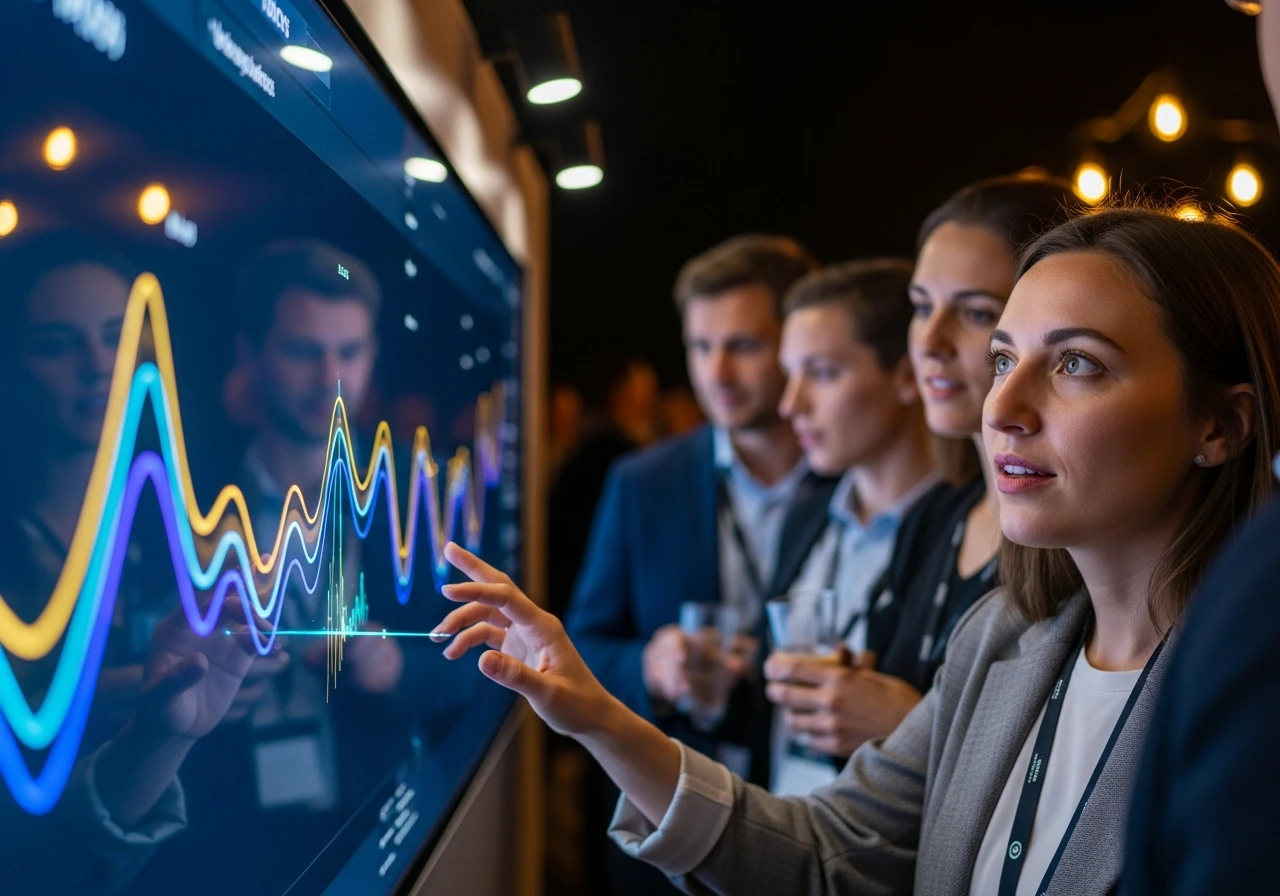
AI is transforming events from static gatherings into living organisms that evolve in real-time based on each participant's interests, behaviors, and needs. This is a strategic revolution that allows brands not just to convey a message, but to forge deep and lasting connections with every individual.
From Data to Value: AI's Three Strategic Roles
To view AI's role in events merely as a technology limits its true potential. Its real power lies in its ability to transform data into a meaningful experience and a measurable outcome. This process can be examined in three key stages:
1. Predictive Personalization: The Pre-Event Journey
The event experience begins long before the doors open. AI analyzes information from various sources such as registration data, past event attendance, and digital interactions to create a potential profile for each participant. This enables:
- Smart Agenda Recommendations: At a massive festival like SXSW or Cannes Lions, a system that automatically suggests the most relevant panels, speakers, and workshops based on a participant's interests directly enhances the quality of their experience.
- Networking Matchmaking: AI algorithms identify the most suitable networking opportunities based on participants' professional goals and profiles, fostering strategic connections instead of random encounters.
- Personalized Communication: Pre-event emails and notifications are enriched with specific content tailored to the participant's interests, rather than generic announcements.
2. Dynamic Experience Design: Real-time Adaptation During the Event
AI's most exciting applications emerge during the event itself. Systems fed by real-time data from sensors, mobile app usage, and social media interactions optimize the experience dynamically.
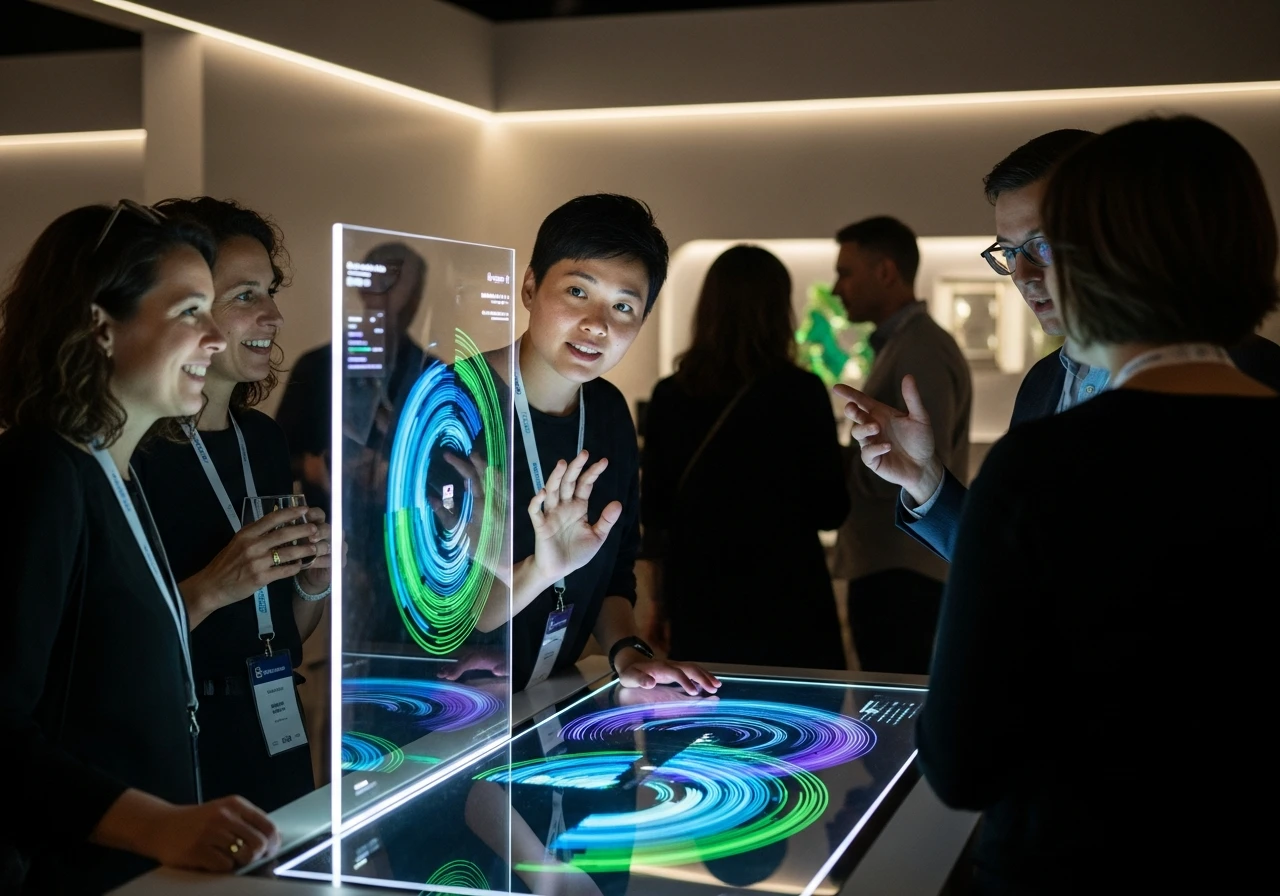
- Adaptive Environments: Imagine an interactive installation in a brand activation zone that changes its colors, music, and content based on the crowd's mood or movement intensity. A brand like Coca-Cola creating a personalized digital artwork based on participant interaction generates an unforgettable memory.
- Real-time Content Flow: A question asked by a participant via a mobile app after a session could instantly appear on the next session's moderator's screen, or instant polls could be created based on popular topics. This transforms the event from a passive viewing experience into an interactive dialogue platform.
3. Intelligent Data Synthesis: Strategic Insights Post-Event
The true success of an event is measured by how strategically the data gathered after its conclusion is utilized. Traditional metrics like participant count or social media shares are no longer sufficient. AI processes vast amounts of big data to offer much deeper insights:
- Interaction Maps: Heatmaps showing which booths were most visited, which speakers garnered the most interest, and how participants moved within the venue optimize the design of future events.
- Sentiment Analysis: By analyzing social media comments and in-event survey responses, AI identifies which topics generated excitement and which caused disappointment, going beyond general participant satisfaction.
- ROI Modeling: AI combines event data with sales or brand awareness metrics to much more clearly reveal the event's true contribution to business objectives.
Conclusion: Not Just Technology, But a Human-Centric Strategy
Integrating AI into events means more than just adopting a new technology. It signifies embracing a participant-centric, data-driven, and continuously learning strategy. The goal isn't to showcase the technology itself, but to leverage it to build more human, meaningful, and personal connections. Just as Nike understands the athlete and Spotify understands the music lover, future brands will be those that understand and value each of their participants through events. AI is the most powerful tool enabling this understanding on a massive scale. Success will belong to those who use this tool most strategically and creatively.
If you'd like to implement these trends for your brand and design an unforgettable experience, contact us.
Get a Quote for Your Project
Contact us for experiences that will make your events unforgettable.