

5 Ways to Transform Audiences into Communities Through Events
From Audiences to Community: The New Paradigm of Experiential Marketing
In the noise of the digital age, it's harder than ever for brands to make their voices heard. Traditional marketing funnels, one-way communication models, and fleeting campaigns are no longer sufficient for forging deep, lasting connections. Successful brands have recognized this truth and shifted their focus: it's no longer just about selling products, but about building communities that offer a shared reason to gather, create a sense of belonging, and make members feel like an integral part of the brand. Brand strategies for community building through events are at the very heart of this transformation. The success of an event is no longer measured solely by the number of attendees, but by the strength of the community it creates and nurtures.
However, many brands still view events as isolated "moments." A launch, a conference, or a festival activation is organized, social media posts are made, and then everything goes quiet until the next campaign. This approach creates a passive "audience," but it doesn't build a loyal "community." An audience consumes and moves on; a community participates, takes ownership, and advocates for the brand. So, how can brands take this critical step and transform temporary crowds into lasting communities?
1. Unite Around a Shared Purpose and Value
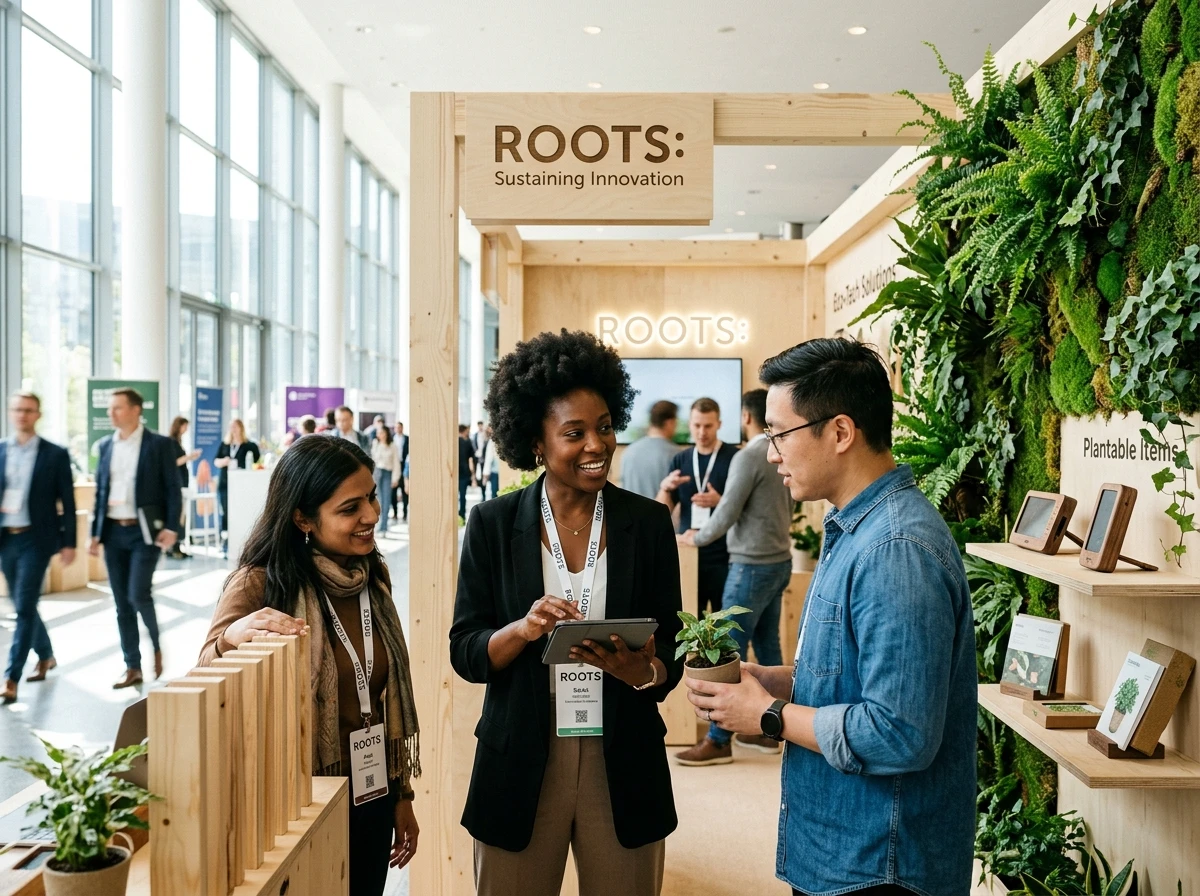
A true community forms not around a product, but around a shared purpose, value, or identity. Events are the most powerful platform to embody this purpose. Patagonia's environmental activism events aim not just to sell outdoor apparel, but to bring together people who share a mission to protect the planet. Similarly, Nike's Run Club events go beyond selling shoes; they create a community that celebrates the discipline, perseverance, and spirit of self-improvement that running brings. When brands shift their event strategies from "What are we selling?" to "What can we unite people around?", they transition from a transactional relationship to an emotional bond.
2. Co-Create the Experience
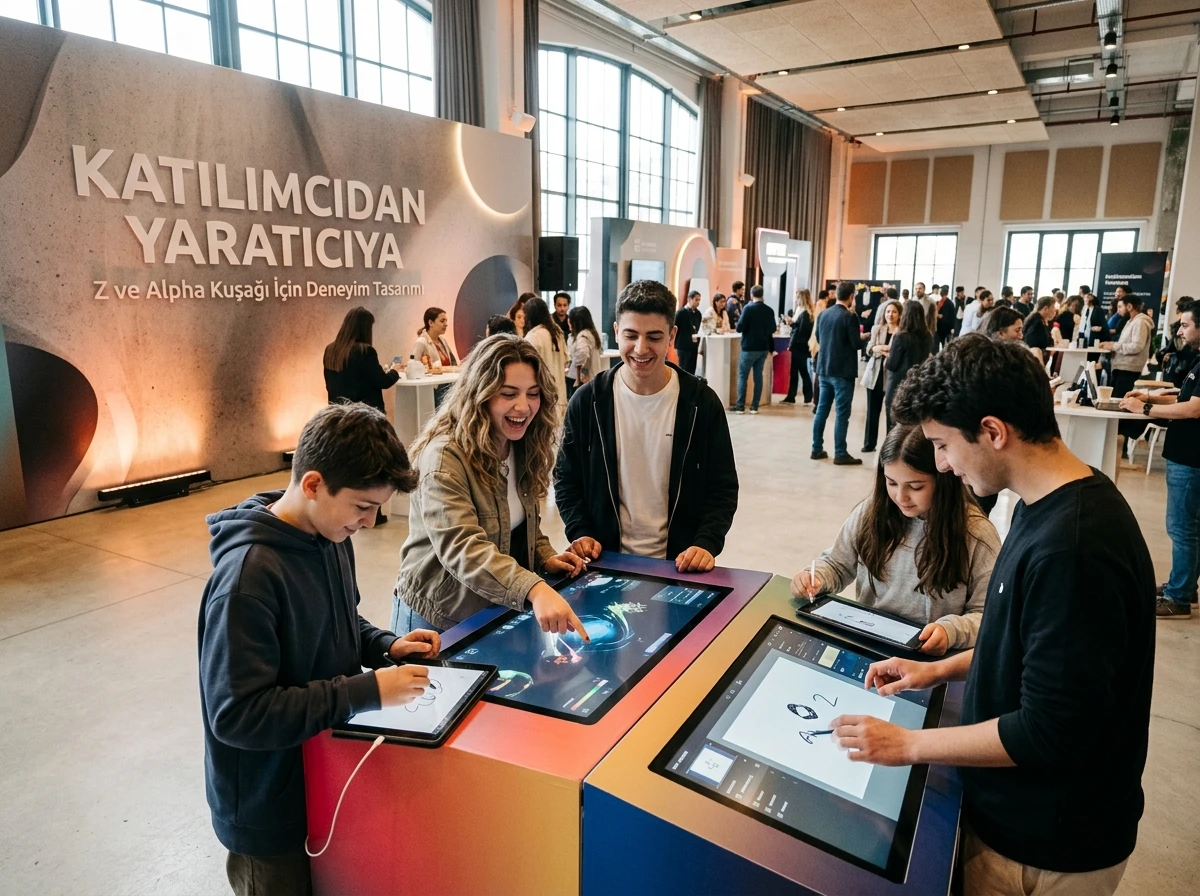
Communities thrive not when content is passively presented to them, but when they become part of the experience. Brands need to cede some control to community members. This could involve letting them vote on the theme of the next event, inviting community members as speakers, or placing their user-generated content (art, music, stories) at the heart of the event. For example, LEGO's Ideas platform turns fan designs into reality, making them part of the creation process. This sense of ownership can transform an attendee into the brand's most passionate advocate.
3. From 'Moment' to 'Process': Pre- and Post-Event Engagement
The biggest mistake is limiting communication with the community to just the event day. Community building is an ongoing process. The event is the most exciting peak of this process, but the pre- and post-event phases are just as crucial.
- Pre-Event: Building excitement through dedicated digital platforms, WhatsApp, or Discord groups, facilitating connections among attendees, and gathering feedback on the agenda helps build a sense of belonging even before the event begins.
- Post-Event: Sharing highlights, offering exclusive content, collecting attendee feedback, and hinting at the next gathering keeps the energy alive and strengthens the bond. The power of massive festivals like SXSW lies not just in those few days, but in the year-round digital and local community interactions.
4. Create Rituals and Symbols of Belonging
One of the things that binds communities together is their unique rituals and traditions. A special annual greeting, an inside joke understood only by that community, an event-specific badge, or a symbolic gift... these are powerful tools that make attendees feel like "insiders." Rituals like Salesforce's beloved characters at Dreamforce or a specific music festival closing with the same song every year transform an event from a simple gathering into a shared and meaningful tradition. Spotify's annual "Wrapped" experience is also, in essence, a massive community activation that unites all its users around a common digital ritual.
5. Measure Success with the Right Metrics
Measuring the return on investment (ROI) of community building cannot be limited to just ticket sales or attendee numbers. To truly measure success, brands need to focus on deeper, qualitative metrics:
- Repeat Attendance Rate: How many attendees return for the next event?
- User-Generated Content (UGC): How much organic and positive content is being created about the event?
- Community Engagement: What is the volume and sentiment of post-event conversations on digital platforms?
- Advocacy Rate: How often do community members recommend the brand to their networks?
These metrics clearly show brands whether they are managing a crowd or a truly engaged and active community.
Conclusion: Brands Are Now Community Curators
The most successful brands of the future will not be those with the best products, but those that build the strongest communities. Events are where the heart of these communities beats. When brands transform their events from one-off marketing spectacles into meaningful experiences that unite people around shared purposes, give them a voice, and forge lasting bonds, they gain not just customer loyalty, but unwavering belonging and advocacy.
If you'd like to implement these trends for your brand and design an unforgettable experience, contact us.
Get a Quote for Your Project
Contact us for experiences that will make your events unforgettable.