Are Stores Dead? 4 Strategic Transformations Redefining the Retail Experience
The New Role of Physical Stores in the Age of E-commerce
In the early years of the digital revolution, prophecies of the demise of physical stores were common with the rise of e-commerce. However, after more than two decades of experience, the industry's current state proves how incomplete that prediction was. While consumers enjoy the convenience of shopping with just a click, why do they still visit stores? The answer is simple: not to buy products, but to live an experience. In today's competitive market, smart brands are transforming their physical spaces from mere transaction points into destinations that offer an unforgettable retail experience. This transformation is crucial not only for survival but also for building brand loyalty and forging deep connections that cannot be created in the digital world.
Stores are now stages, and employees are brand ambassadors. In this new paradigm, physical retail is no longer an extension of the digital strategy but a living, breathing component at its very heart. Here are four key strategic pillars driving this exciting transformation:
1. From Store to Media Channel: Content-Generating Spaces
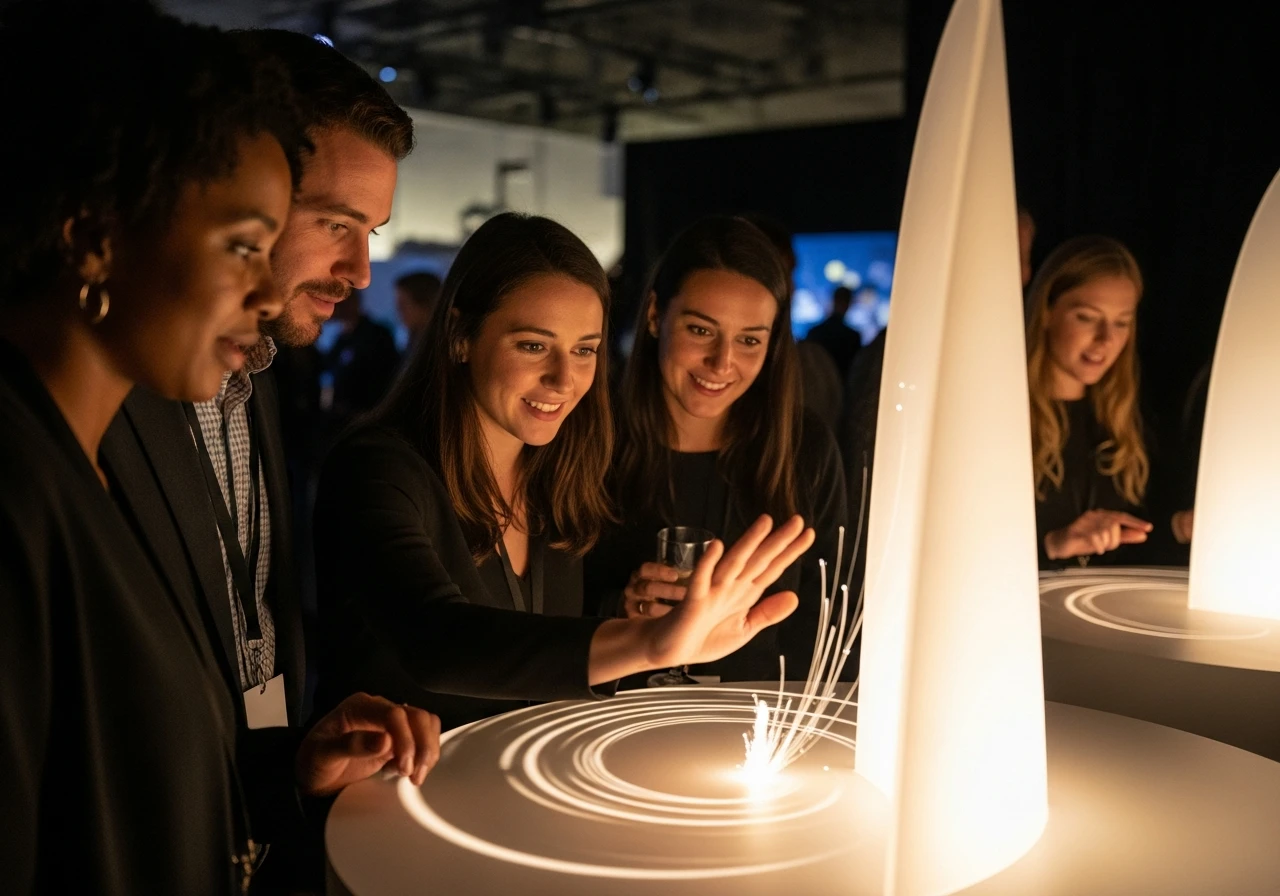
The modern retail store is evolving from a mere four-walled sales space into a media channel in its own right. Brands are designing their stores as content production hubs where customers not only interact with products but also experience the brand's story and become a part of it.
- Events and Workshops: Apple's "Today at Apple" sessions or Lululemon's in-store yoga classes transform the space into a community hub while simultaneously generating rich content for social media sharing.
- 'Instagrammable' Moments: Stores like Glossier, designed with every corner optimized for photo opportunities, turn customers into organic brand ambassadors. Every photo taken by a customer provides a free and authentic contribution to the brand's marketing ecosystem.
This strategy creates a powerful loop, converting store traffic into digital engagement, and digital engagement back into store traffic.
2. Repositioning as Community Hubs
Transactional relationships are increasingly being replaced by relational bonds. Brands are positioning their stores as meeting points that bring together people with similar interests and values. The goal is not merely to sell a product but to foster a sense of belonging.
Nike's use of specific stores as a home base for local running clubs or a bookstore hosting author talks and reading groups are prime examples of this approach. Customers visit these spaces not just to shop, but also to socialize, learn, and be part of a community. This builds emotional capital between the brand and the customer, creating loyalty that extends far beyond price competition.
3. Breaking Down Barriers with 'Phygital' Experiences
The term 'Phygital,' born from the combination of 'Physical' and 'Digital,' is shaping the future of the retail experience. This approach seamlessly blends the convenience and personalization offered by digital technology with the tactile and human interaction of the physical world.
- Augmented Reality (AR): Sephora's AR apps, allowing customers to virtually try on makeup products, or IKEA's AR features, showing how furniture would look in your home, simplify purchasing decisions and gamify the experience.
- Smart Integration: Zara's smart fitting rooms allow customers to notify staff about different sizes or color options for the products they are trying on. QR codes provide instant access to detailed product information, user reviews, or style recommendations.
A successful phygital experience uses technology not as an end in itself, but as a tool to make the customer journey smoother, richer, and more personal.
4. The Rise of Hyper-Personalization and Clienteling
Data is the lifeblood of the new retail experience. Brands are leveraging data collected from online and offline channels to offer tailor-made, personalized experiences for each customer. 'Clienteling' (the art of building one-on-one, in-depth relationships with customers), a practice long employed by luxury brands, has now become scalable for broader audiences thanks to technology.
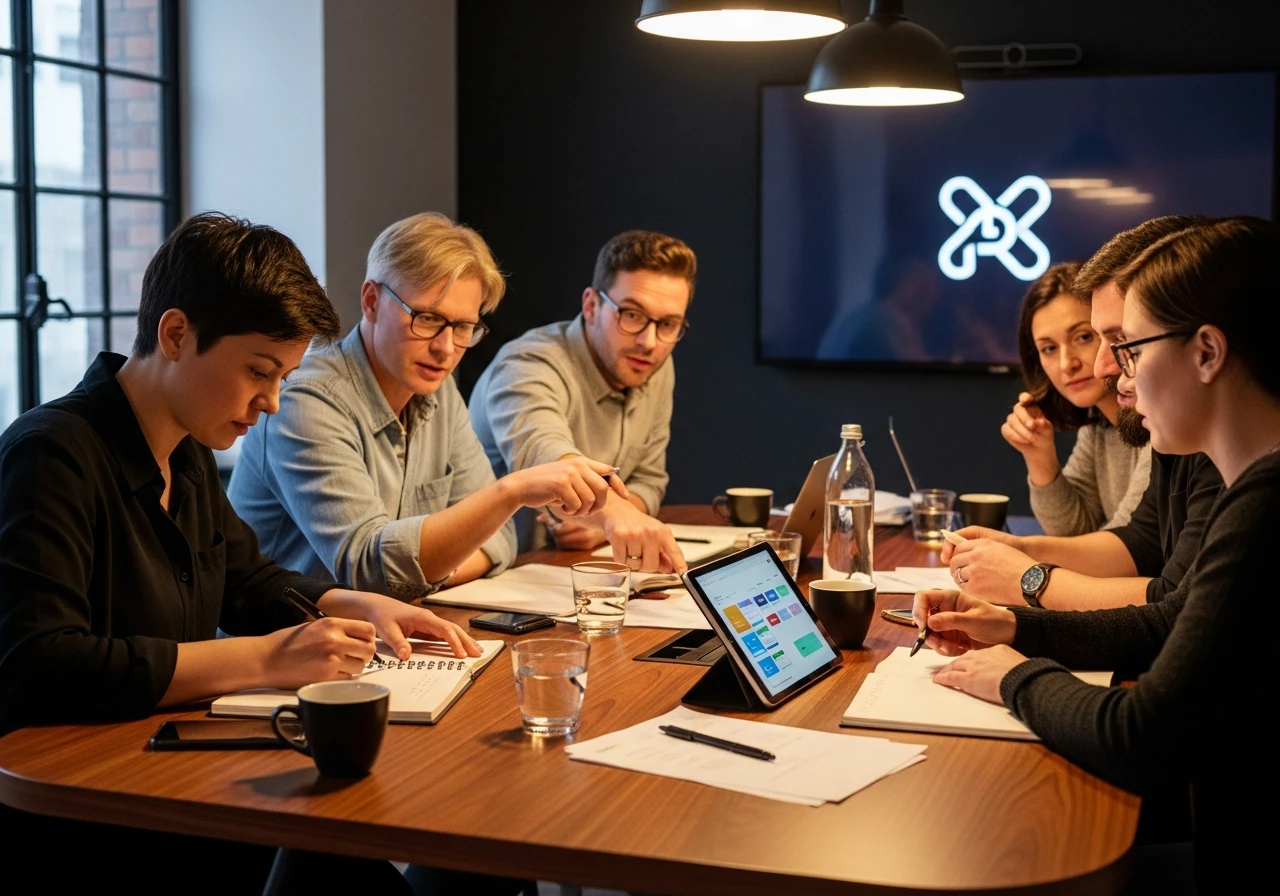
It's no longer a dream for products a customer viewed online to appear on a sales associate's tablet when they enter a store, allowing the associate to offer personalized recommendations based on that information. Nike's product customization options or Levi's in-store tailoring services make customers feel special and transform a standard shopping trip into a unique brand interaction.
The Store of the Future: An Experience Ecosystem
In conclusion, the thesis that 'stores are dead' has given way to the reality that 'boring stores are dead.' Successful retail brands of the future will view their physical spaces not as cost centers, but as experience platforms that build brand value, create communities, and foster unforgettable memories. In this new world, the store is not the final stop on the customer journey, but the heart of a living, constantly evolving ecosystem that bridges the digital and physical worlds.
If you'd like to implement these trends for your brand and design an unforgettable experience, contact us.
Get a Quote for Your Project
Contact us for experiences that will make your events unforgettable.