The Anatomy of Phygital Events: 5 Key Components for a Successful Experience
The Intersection of Digital and Physical Worlds: Phygital Experiences
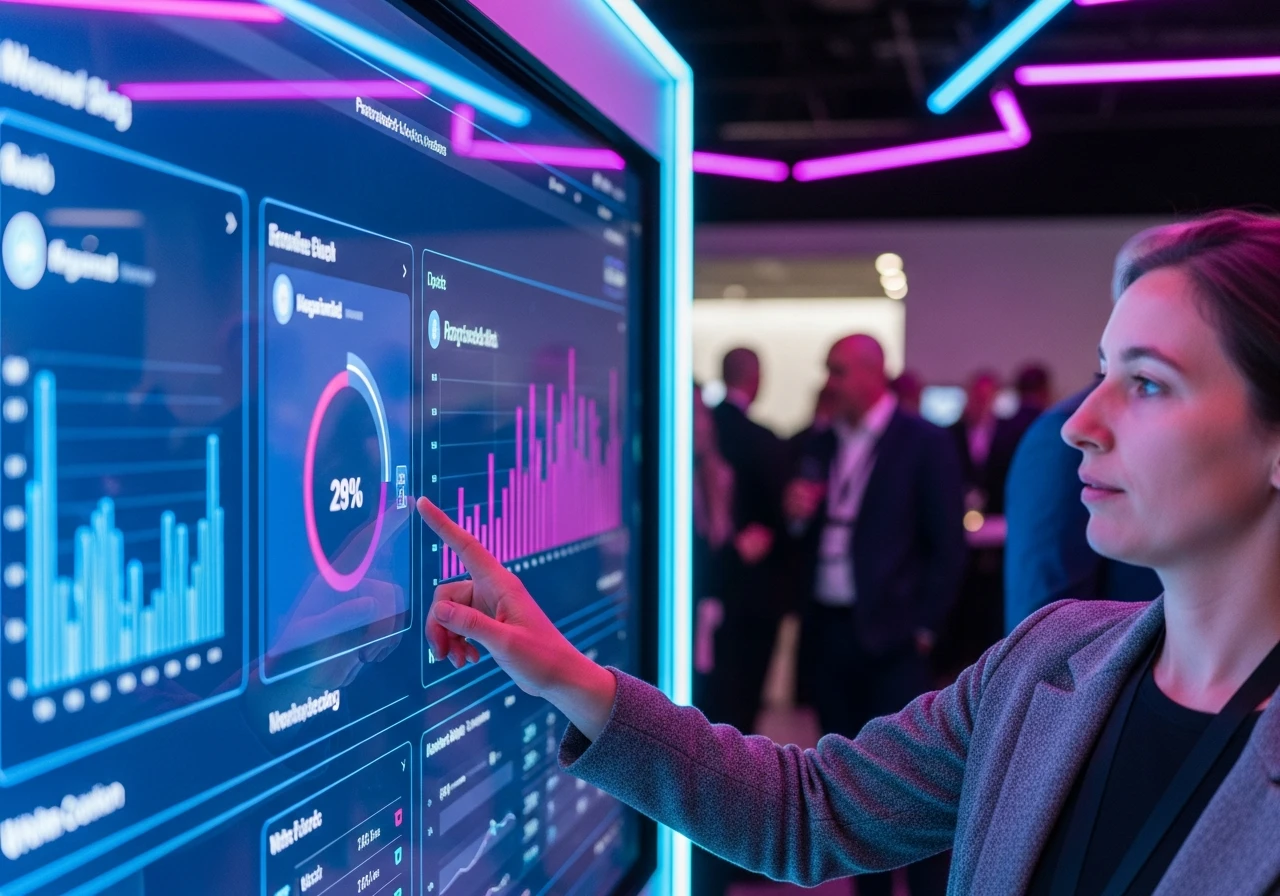
Imagine a world where participants interact with their smartphones while simultaneously enjoying a physical installation. The brand experience and events industry is no longer confined to just physical venues or digital platforms. The industry's new playground is built upon phygital brand activations, combining the best aspects of both worlds. This innovative approach allows brands to forge deeper, more personal, and measurable connections with their target audiences. In the post-pandemic era, evolving consumer expectations make these hybrid experiences, which blend digital convenience with the warmth of physical interaction, indispensable.
However, creating a successful phygital experience requires much more than simply placing a few QR codes in a venue or live-streaming an event. True success lies in building a seamless and meaningful bridge between the two worlds, using technology as a tool to enrich the human touch. So, what are the fundamental elements that make a phygital event unforgettable? Here are the 5 key components that form the anatomy of a successful experience:
1. Data-Driven and Contextual Personalization
Data lies at the heart of phygital experiences. But the goal here isn't just to address participants by name; it's to leverage their digital footprint to enhance their physical journey. For instance, at a tech fair, sessions on “artificial intelligence,” which a participant indicated as an interest during registration, might be prioritized on smart screens or their mobile app upon entering the venue. Spotify's annual "Wrapped" campaign is one of the brightest examples of this concept. This personal summary, based entirely on digital data, transforms into an experience users are proud to share in the physical world (on social media). Brands can apply this logic to events, creating a specially curated content and interaction map for each participant.
2. Capturing the Moment with Interactive Technologies
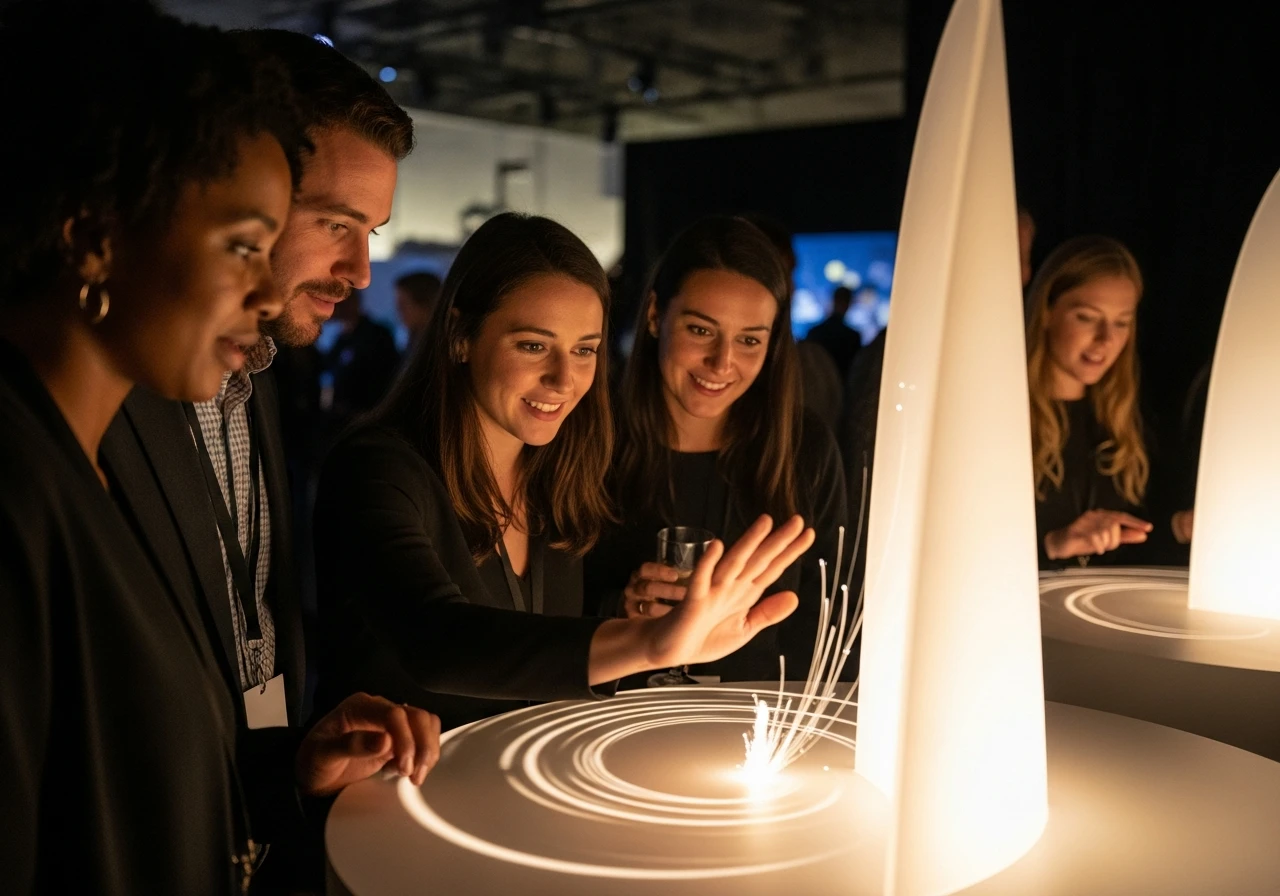
Technology should be a tool, not an end, in phygital experiences. Augmented Reality (AR) filters, interactive floors, motion-sensor installations, or NFC-enabled wristbands can transform a physical space into a digital playground. Nike's in-store experiences, where customers try on new shoes, analyze their running performance, and receive a personalized video of these moments, demonstrate how a physical action can be turned into a digital and shareable memory. Coca-Cola's interactive vending machines, which connect people from different countries via giant screens, are also a powerful example of linking a physical product to a global digital interaction.
3. Seamless and Integrated Journey
One of the most critical success factors for a phygital experience is the smooth transition between digital and physical touchpoints. Participants should experience all steps in a single, uninterrupted flow: from registering for the event app, entering the venue with an NFC wristband, participating in an instant poll during a session, to digitally saving the contact information of a new acquaintance by tapping their wristband. Disney's MagicBand technology is the pinnacle of this philosophy. A single wristband serves as a park ticket, hotel room key, payment method, and photo album, allowing visitors to enjoy the moment instead of grappling with technology. This frictionless experience directly impacts brand loyalty.
4. Digital Extensions that Build Community
Phygital events don't end when the physical venue closes its doors. On the contrary, the real relationship often begins at that point. Data collected, content created, and connections made during the event should be used to transform the event into a lasting digital community. Major festivals like Cannes Lions offer digital platforms such as "The Work," which feature all sessions, award-winning projects, and presentations after the event, keeping the dialogue alive throughout the year. These platforms allow participants to relive the experience, access missed content, and continue networking with other professionals. While the physical event sparks an initial connection, digital extensions keep that fire burning.
5. Measurable Impact and Strategic ROI
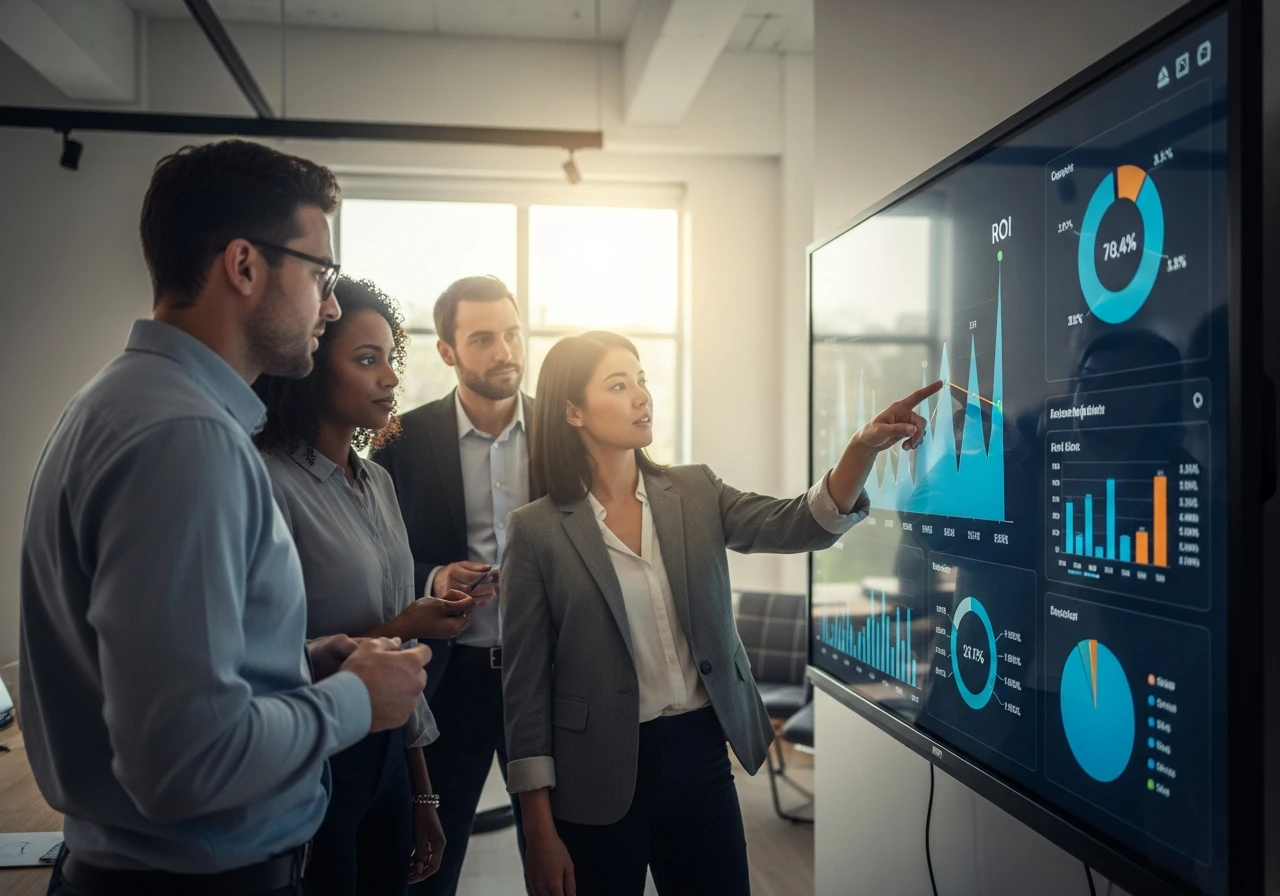
One of the greatest advantages of the phygital approach is the in-depth measurement it offers. While measuring Return on Investment (ROI) in traditional events is often challenging, every step in the phygital model can be tracked. Data such as which booth attracted the most visitors, which speaker generated the highest digital engagement, participants' journey maps within the venue, and how much time they spent on the digital platform after the event, provide brands with concrete insights to optimize their next experiences. This data-driven approach makes it possible to prove the effectiveness of marketing budgets and shape future strategies more intelligently.
Conclusion: The Future of Experience is Hybrid
Phygital brand activations are not a fleeting trend but the future of the brand-consumer relationship. Brands that design personalized, seamless, community-focused, and measurable experiences, harmonizing technology and human interaction with the right balance, will gain a competitive edge. The key to success is not to use technology as a mere showcase, but to position it as a meaningful bridge that strengthens human connection and makes every individual feel special.
If you'd like to bring these trends to life for your brand and design an unforgettable experience, contact us.
Get a Quote for Your Project
Contact us for experiences that will make your events unforgettable.