The AI Revolution in Events: How It's Reshaping the Experience
AI is Not Just a Trend, It's a Strategic Tool
While the use of technology in the event industry has long been a topic of discussion, recent developments have elevated this conversation to a new level. Specifically, the use of artificial intelligence in events has moved beyond a futuristic concept to become a tangible strategy that fundamentally transforms the brand experience. AI is positioned as a powerhouse, far beyond simple automation tools or chatbots, making every stage of the attendee journey smarter, more personal, and more measurable.
In the past, event success was often measured by attendee numbers or collected business cards. Today, brands aim to forge meaningful and memorable connections with each individual attendee. AI plays a pivotal role in achieving this goal, succeeding on two main fronts: hyper-personalization and intelligent data analytics.
Hyper-Personalization: A Unique Journey for Every Attendee
Personalization is far more than just printing a name on a badge. True personalization involves delivering a dynamic experience shaped by each individual's interests, expectations, and behaviors. AI makes this level of personalization possible.
1. Smart Agenda Management Pre-Event
Consider massive events like SXSW, featuring hundreds of sessions and speakers. It's incredibly easy for an attendee to get lost in such a program. AI-powered platforms can analyze an attendee's stated interests, job title, and even past event behaviors during registration to suggest a personalized agenda. Much like Spotify curates a playlist based on your music taste, event platforms can identify the most valuable sessions, networking opportunities, and booths for each attendee.
2. Dynamic Experiences During the Event
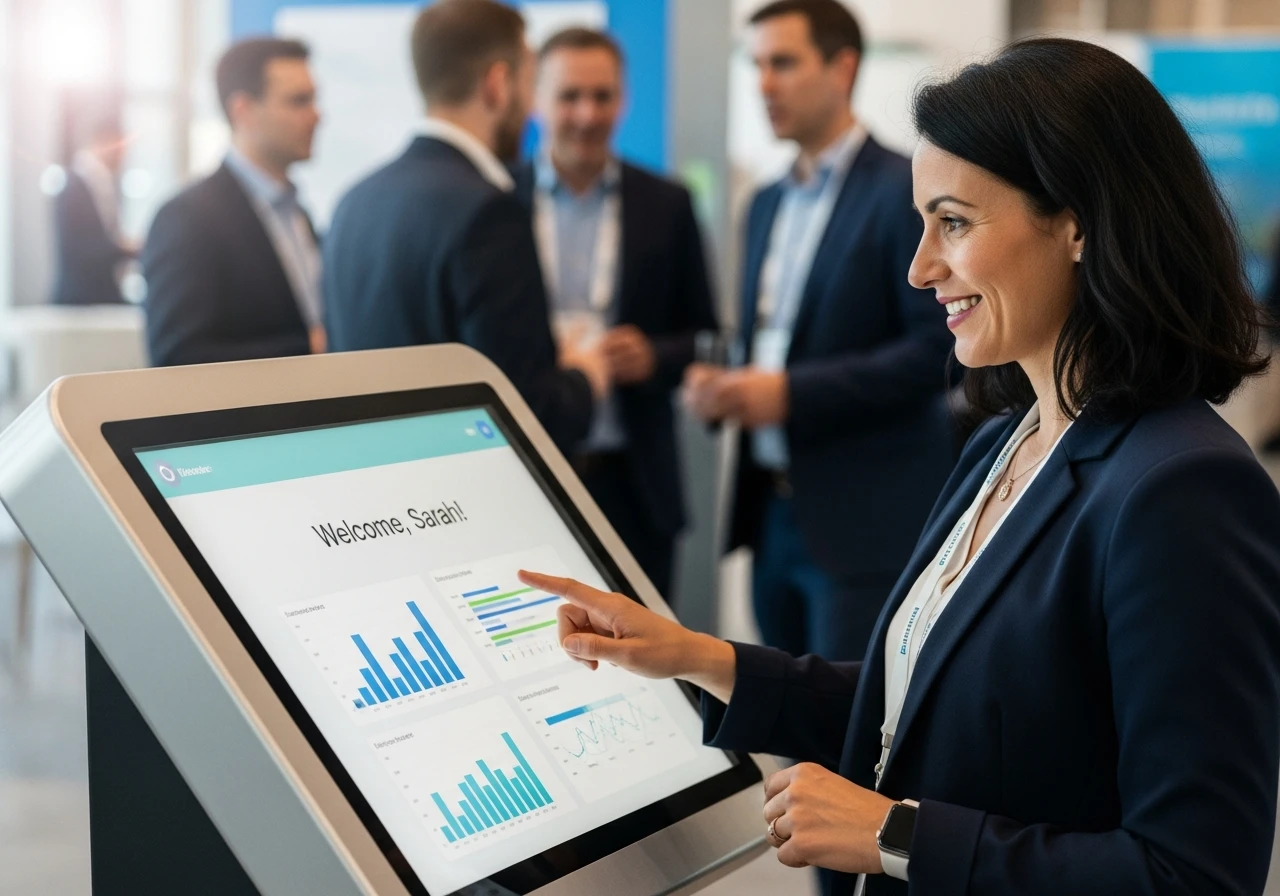
During the event, AI can shape the experience in real-time. Smart screens integrated with RFID or NFC technology can display different content based on the profile of the approaching attendee. A marketing manager might be presented with content on the latest digital marketing trends, while a software developer could see a demo of new technology. This approach is a micro-level application of the strategy used by brands like Coca-Cola or Nike in their global launches, segmenting the audience to deliver tailored messages to each group.
3. Meaningful Post-Event Follow-Up
The relationship shouldn't end when the event does. AI is replacing standard "thank you for attending" emails. Each attendee can receive a personalized report containing summaries of the sessions they attended, profiles of other attendees they might have met (and whose interests align), and additional resources that might pique their interest. Much like Spotify Wrapped creates a viral effect by offering each user a personalized music summary at the end of the year, brands can boost loyalty by providing attendees with a personal recap of their event journey.
From Big Data to Smart Insights: The Data Analytics Revolution
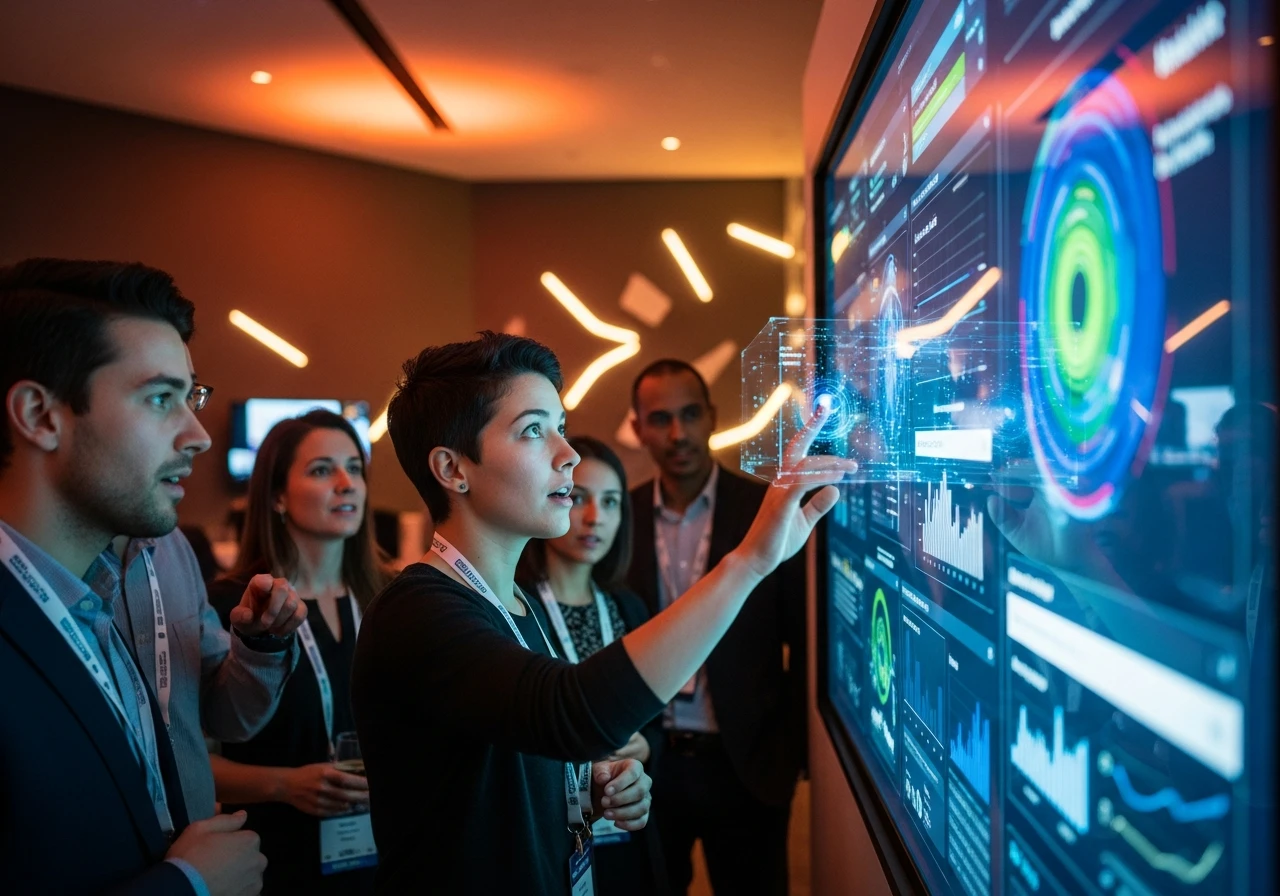
Events generate an enormous amount of data: registration information, mobile app usage, session attendance rates, time spent at booths... However, this data means little if not analyzed correctly. AI transforms this "big data" heap into actionable "smart insights" for brands.
- Predictive Analytics: AI models analyzing past event data can forecast attendance rates, the most popular sessions, and even food and beverage consumption for future events. This enables organizers to utilize resources more efficiently.
- Real-time Sentiment Analysis: By instantly analyzing comments made on social media and within the event app during an event, AI can gauge the overall sentiment of attendees. In major organizations like Cannes Lions, brands use this method to track real-time feedback on their campaigns. This allows for immediate intervention in case of a potential crisis or to further highlight a successful moment.
- Proving ROI: One of the biggest challenges for brand managers is concretely proving the return on investment (ROI) for event spending. AI provides a much clearer ROI picture by correlating an attendee's behavior at an event (e.g., attending a product demo) with their post-event actions (e.g., visiting the website and requesting a quote).
The Place for the Human Touch: AI as Co-Pilot, Not Pilot
All these technological advancements do not mean that AI will replace event professionals. On the contrary, AI has the potential to be the greatest assistant to event strategists and planners. By offloading data analysis, logistical optimization, and routine tasks to AI, professionals can dedicate more time to where they truly need to focus: creativity, strategic thinking, and most importantly, building human connections.
In conclusion, the use of AI in events is no longer an option but a necessity to gain a competitive edge and forge deep, meaningful relationships with attendees. Brands that place this technology not just as a tool, but at the heart of their experience design philosophy, will begin to create the unforgettable moments of the future today.
If you wish to implement these trends for your brand and design an unforgettable experience, contact us.
Get a Quote for Your Project
Contact us for experiences that will make your events unforgettable.