The New Frontier of Creativity in Event Design: How AI is Becoming Your Idea Partner
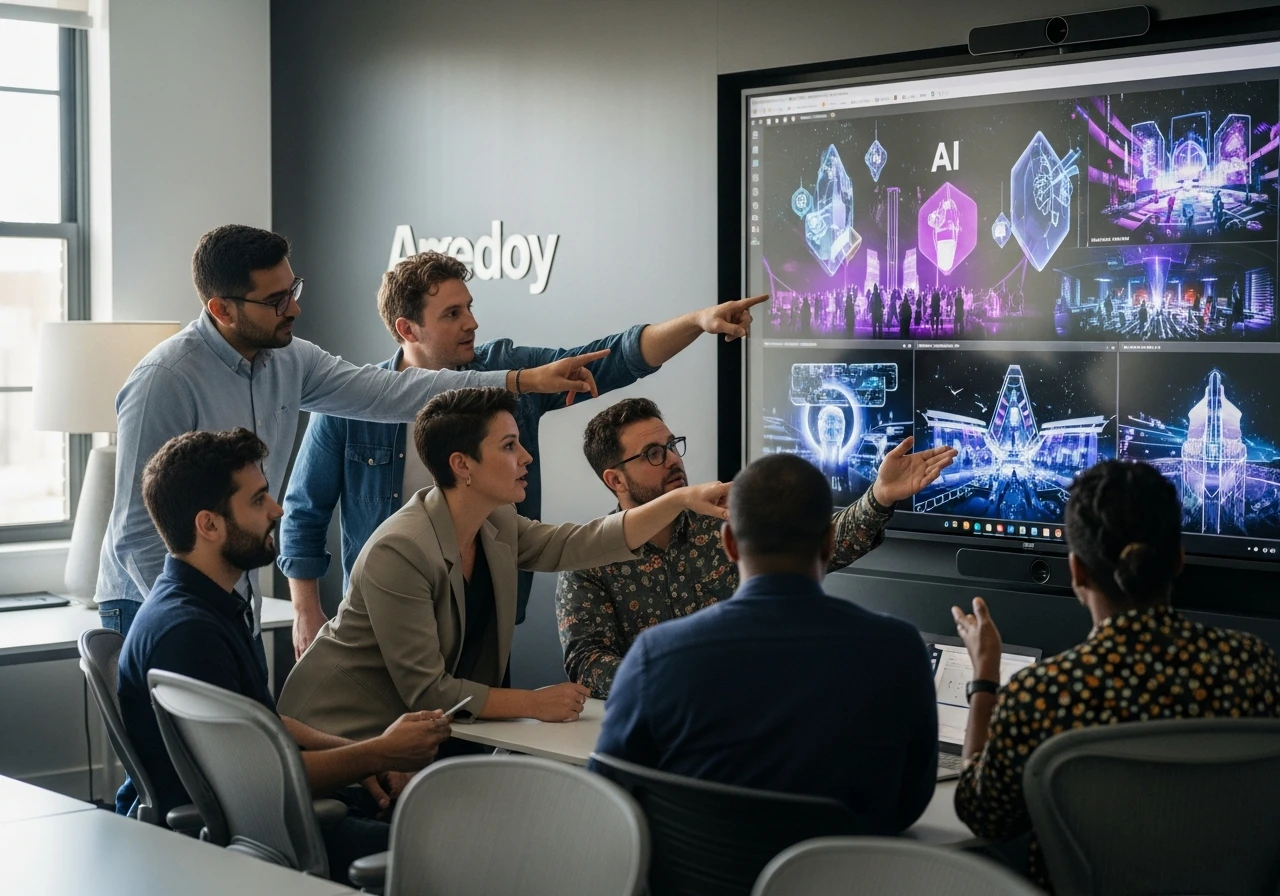
The world of experiential marketing is constantly reshaped by the rhythm of technological revolutions. Yet, in recent years, no innovation has offered as radical a potential for change as the use of artificial intelligence in event design. Until now, we've been accustomed to discussing AI primarily in operational areas like data analysis, personalization, and logistics optimization. However, it's now positioning itself at the very heart of the creative process, acting as an idea partner and a strategic leverage. So, how can AI help birth the next big idea in that challenging creation process that begins with a blank page?
Breaking Creative Blocks with AI-Powered Brainstorming
As every event professional knows, one of the biggest challenges is creating an original and impactful concept. Traditional brainstorming sessions, hours of meetings, and mood board preparations can be among the most time-consuming phases of a project. This is precisely where Generative AI steps in, changing the rules of the game.
It's now possible to define a brand's identity, goals, and target audience expectations with a few keywords and generate dozens of different visual concepts, stage designs, or experiential area alternatives in seconds. For instance, when designing a futuristic product launch for a dynamic brand like Nike, photorealistic visuals generated with prompts like "immersive technology, kinetic lighting, and urban aesthetics" incredibly accelerate agencies' and brand managers' ability to concretize their vision. This isn't just an increase in efficiency; it also opens a door to exploring creative avenues previously unimagined.
Data-Driven Content Strategies and Storytelling
At the heart of a successful event lies a powerful story. AI enables this story to be crafted more accurately and effectively. How? By analyzing large datasets, it can uncover target audience interests, social media conversation trends, and behavioral patterns from past events.
For example, when planning the agenda for a major festival like SXSW, AI can predict which topics will generate the most interest, which speaker profiles will attract more attendees, and even the optimal sequence of sessions to create a more memorable narrative. Just as Spotify provides each user with a personalized data story through its annual "Wrapped," brands can leverage AI to shape the overall narrative of their events according to the collective mood and expectations of participants. This means the content doesn't just get presented; it truly resonates with the attendees.
Proactive Venue Design with Predictive Analytics
The attendee experience at events is directly related not only to the content but also to the flow of the physical space. Long registration queues, crowded and cramped areas, or poorly positioned experience points can overshadow even the brightest idea. AI can analyze anonymized movement data from past events, venue layouts, and program flows to identify potential bottlenecks before the event even begins.
AI simulations can be used to optimize venue layouts for global organizations like Cannes Lions. These simulations can suggest arrangements that maximize the visibility of sponsor areas, identify the most efficient flow corridors for networking, and ensure attendees move intuitively within the space. This is one of the most concrete examples of transitioning from reactive problem-solving to proactive experience design.
The New Equation: Human Intuition + Machine Intelligence
Do all these developments mean that machines will replace creative professionals? Absolutely not. On the contrary, our role is evolving. AI is not a competitor but a powerful partner that augments our capabilities. It's a tool that generates ideas, makes sense of data, and presents possibilities. However, choosing the most suitable strategy from these possibilities, making the fine adjustments that reflect the brand's spirit, and adding that human touch still falls to us – the experience strategists and creatives.
Successful event professionals of the future will be curators who can engage in dialogue with AI, ask the right questions, and interpret its output with a strategic vision, rather than viewing it as a "black box." The new frontier of creativity is being drawn at the intersection of human intuition and machine intelligence. This new partnership offers the key to creating smarter, more effective, and more unforgettable experiences for brands – experiences previously unimaginable.
If you'd like to bring these trends to life for your brand and design an unforgettable experience, get in touch with us.
Get a Quote for Your Project
Contact us for experiences that will make your events unforgettable.