Dacia VR Roadshow
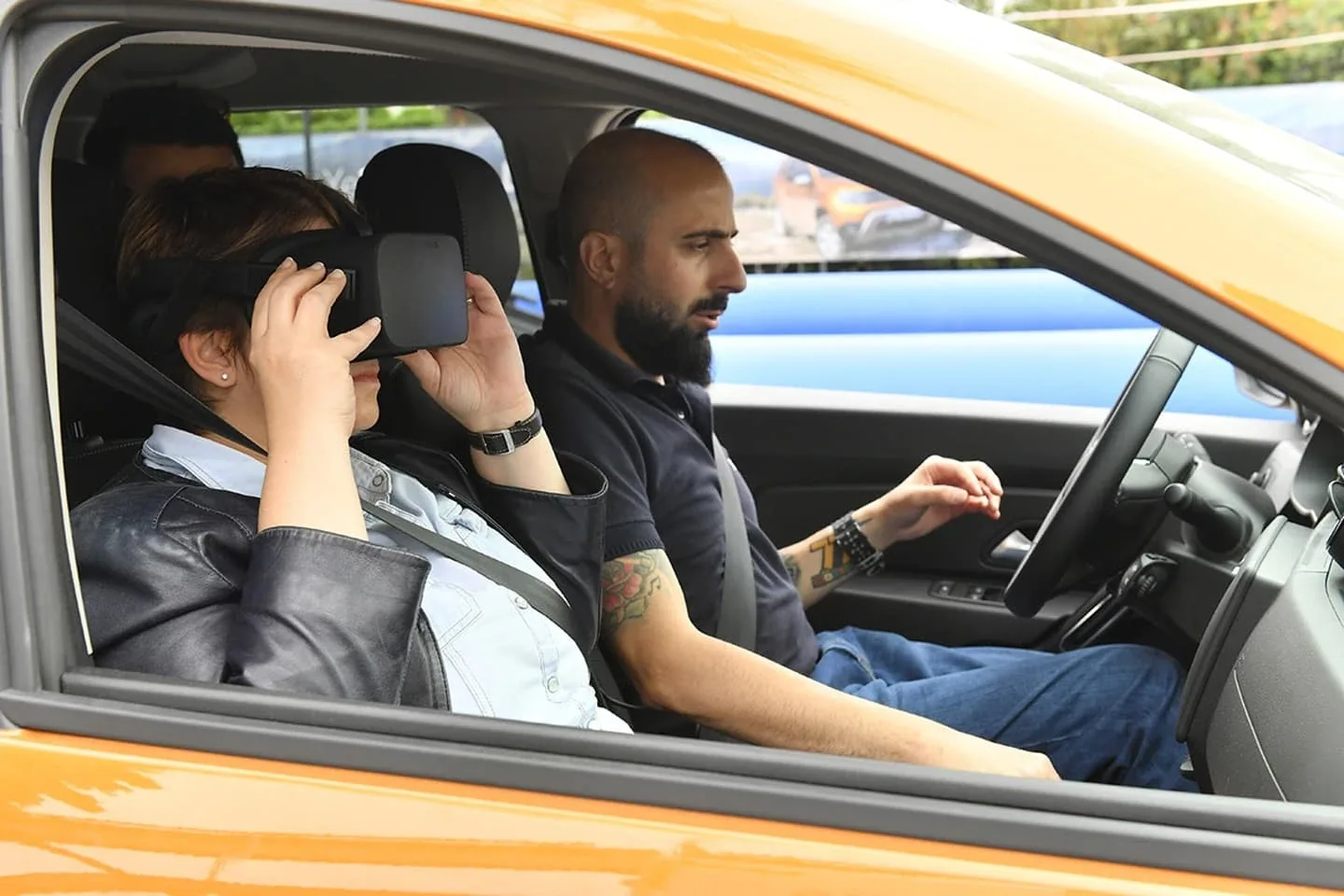
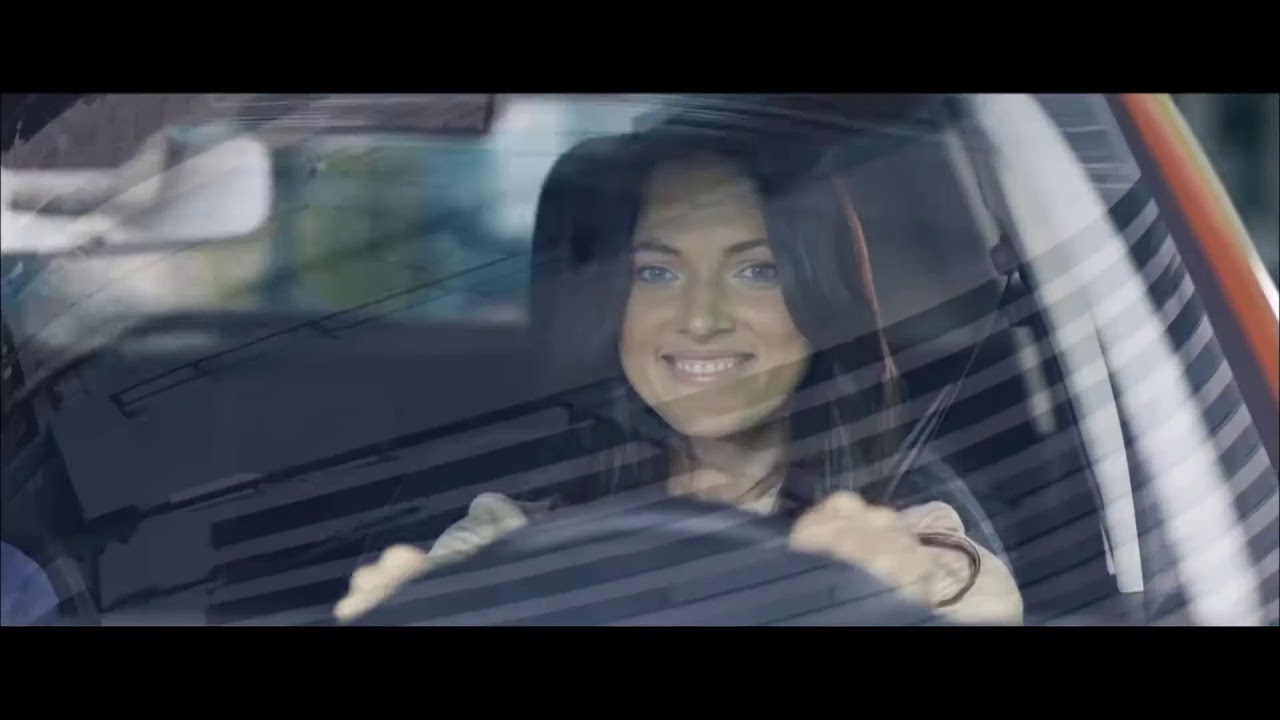
A pro driver behind the wheel, the guest in the passenger seat — wearing a headset never used before in Turkey.
DACIA · JUNE 2018
Brief
The new Dacia Duster was entering the Turkish market in spring 2018 with major upgrades over the previous generation. The target was two audiences: existing Duster owners (people who would compare the new model feature by feature) and drivers shopping for price/performance in the 4×4 segment, open to trying a Duster for the first time. The roadshow had to reach both, in 12 cities, and make the "new" not memorised — physical.
But the rules of an automotive roadshow are well-known: a booth, brochures, a queue, a short test drive, a goodbye. Dacia and dsm group wanted out of the game dozens of brands had been playing for years. They asked us for a technology layer on top of the car — but a layer that wouldn't decorate the car or replace the test drive; one that would push the test drive to its peak.
“A 4×4's promise lives where you don't drive it. If you can't bring those places to a mall lot, you have to take the mall lot to them.”
Insight
The real promise of a 4×4 only shows up where you're not driving it. But an automotive roadshow does exactly the opposite: park the car in a mall lot, tape off a path, let the customer cover 200 metres in a straight line and walk away with "feels stable, this one." Off-road capability, in that format, is described in words and doesn't stick.
The second insight was about information. Reading a car's new features in a brochure, on a screen or from a host is one thing — hearing them from the car itself is another. A car, of course, doesn't literally speak. But if you give it a character, a voice and a body via AI — and that character kicks in mid-drive, inside the real car — the features stop being something to memorise. They become something to drive through.
The Idea
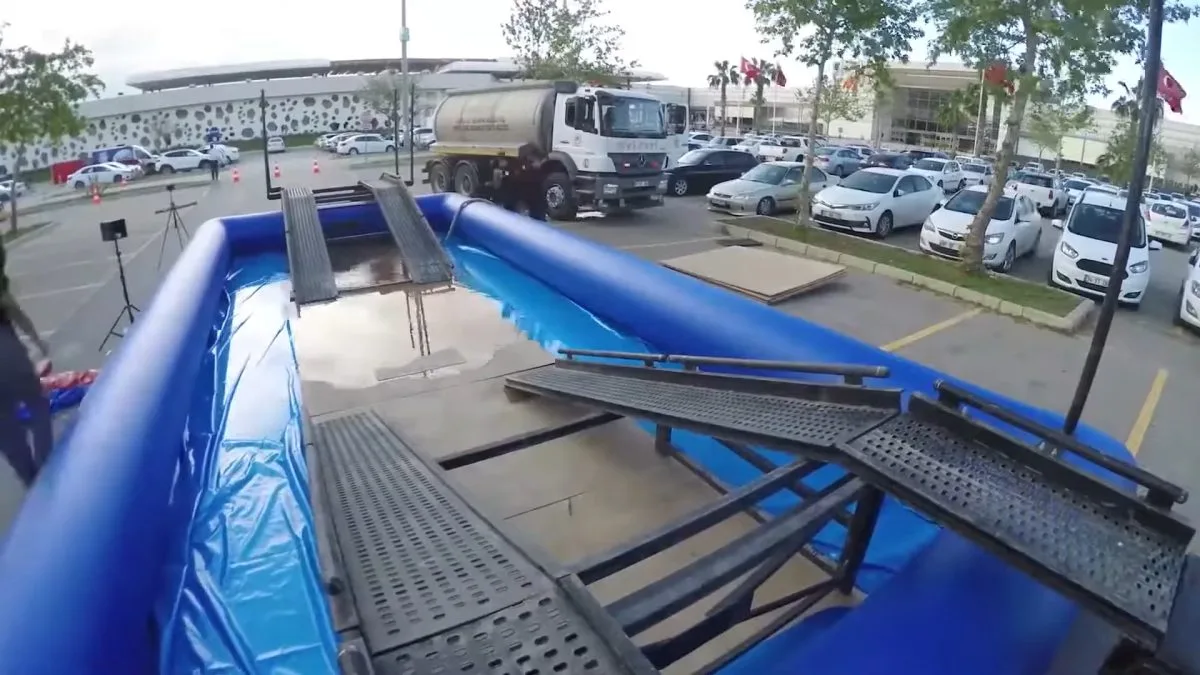
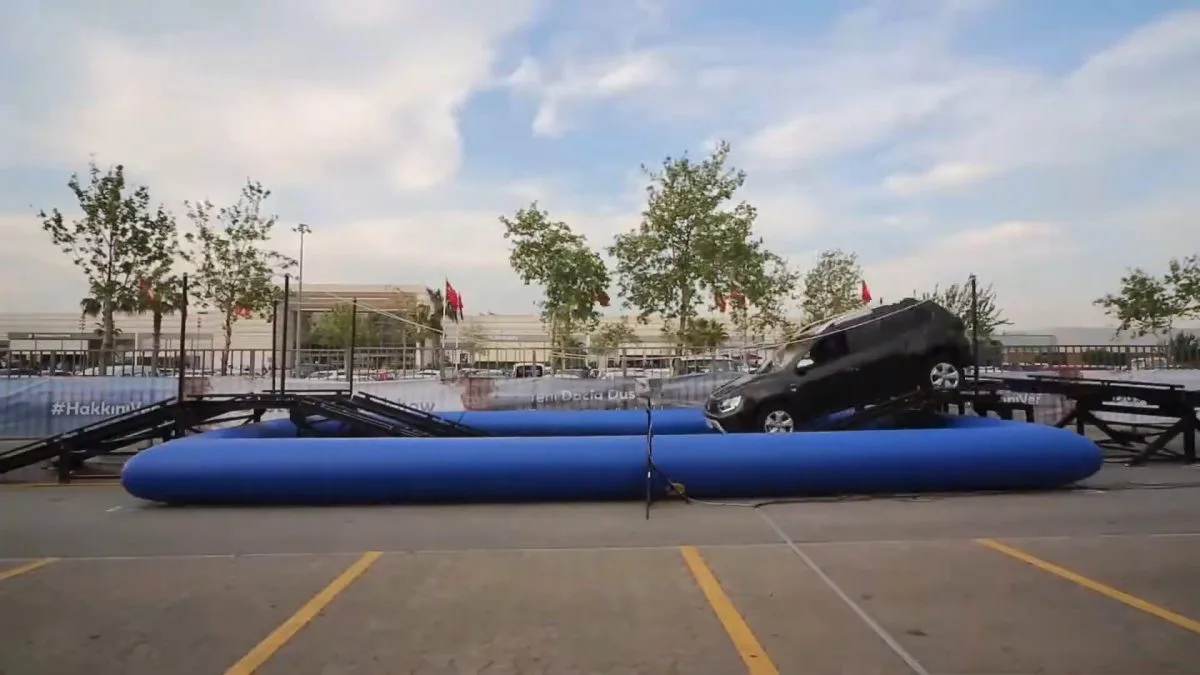
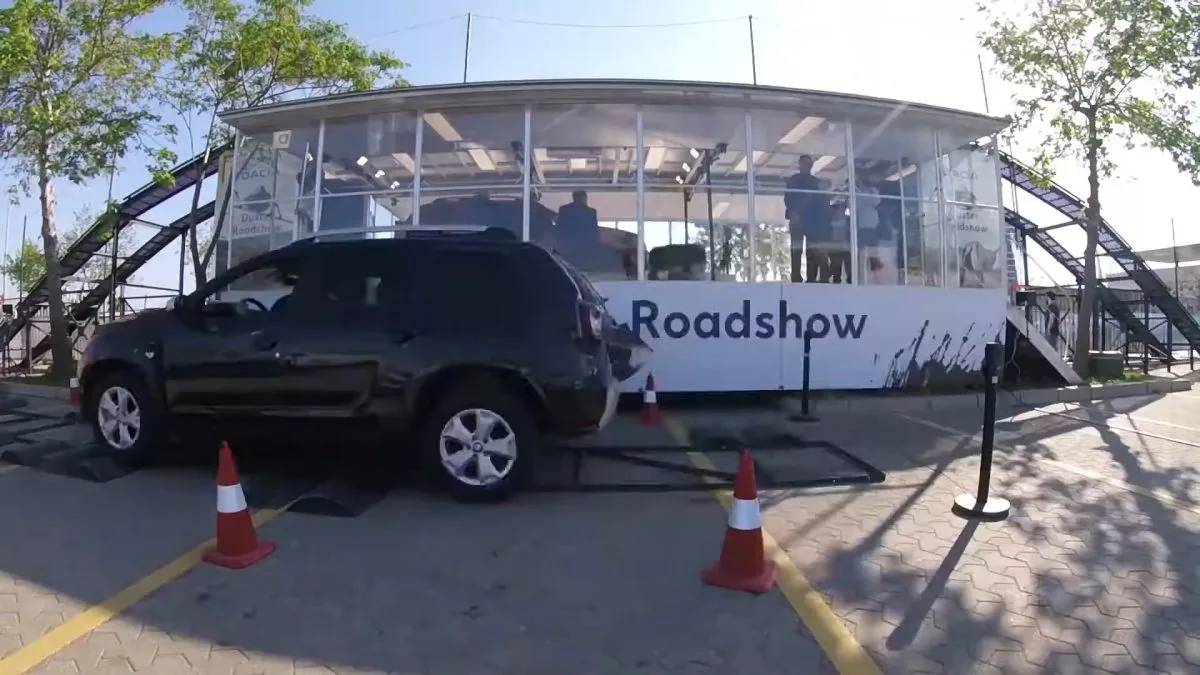
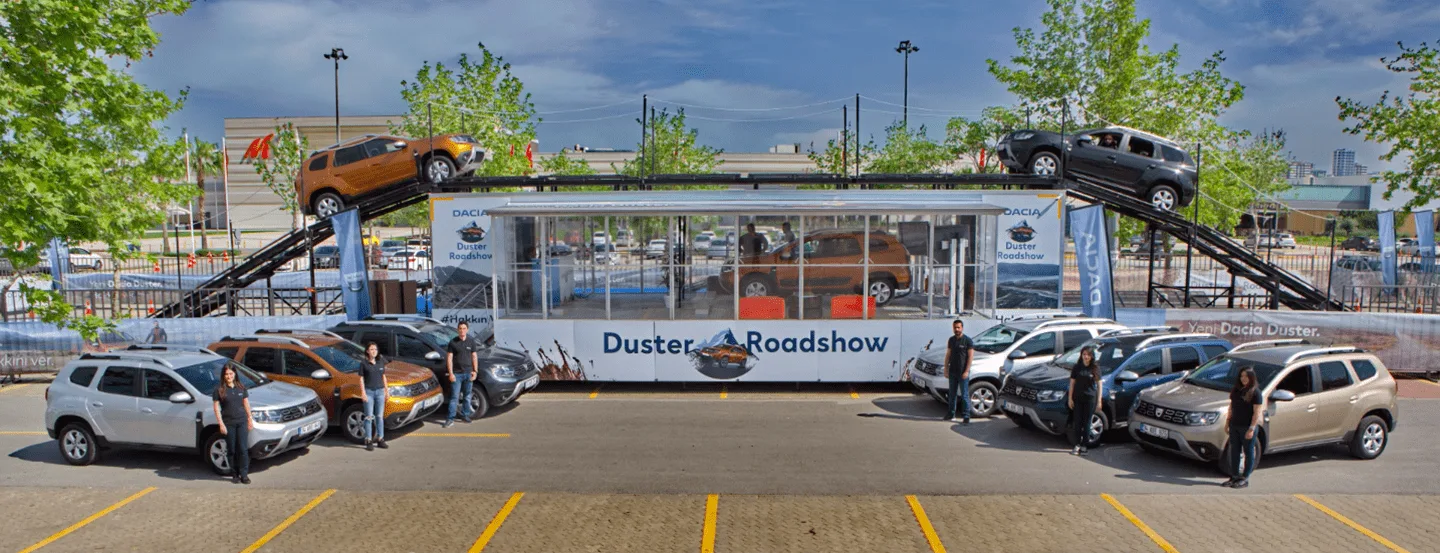
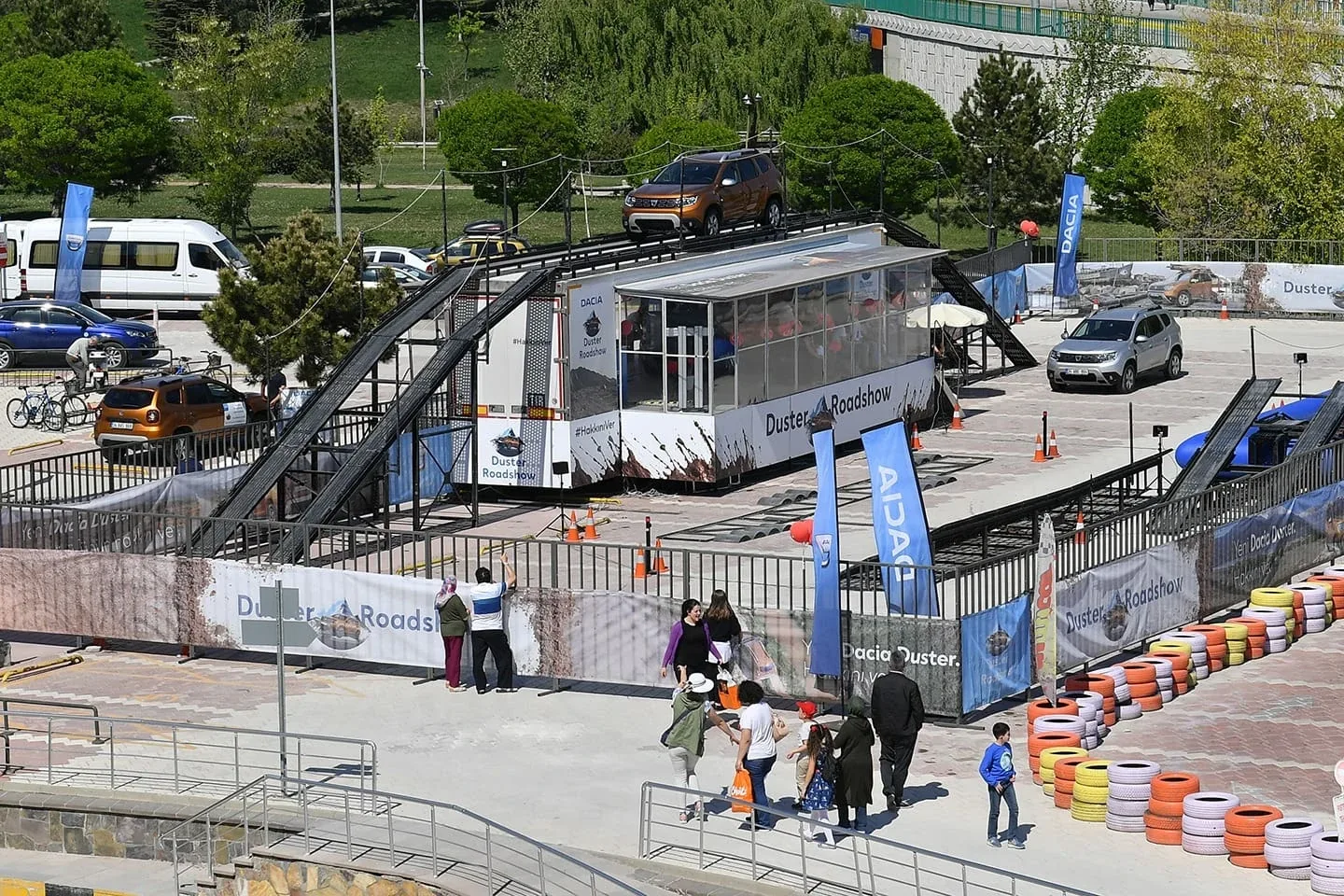
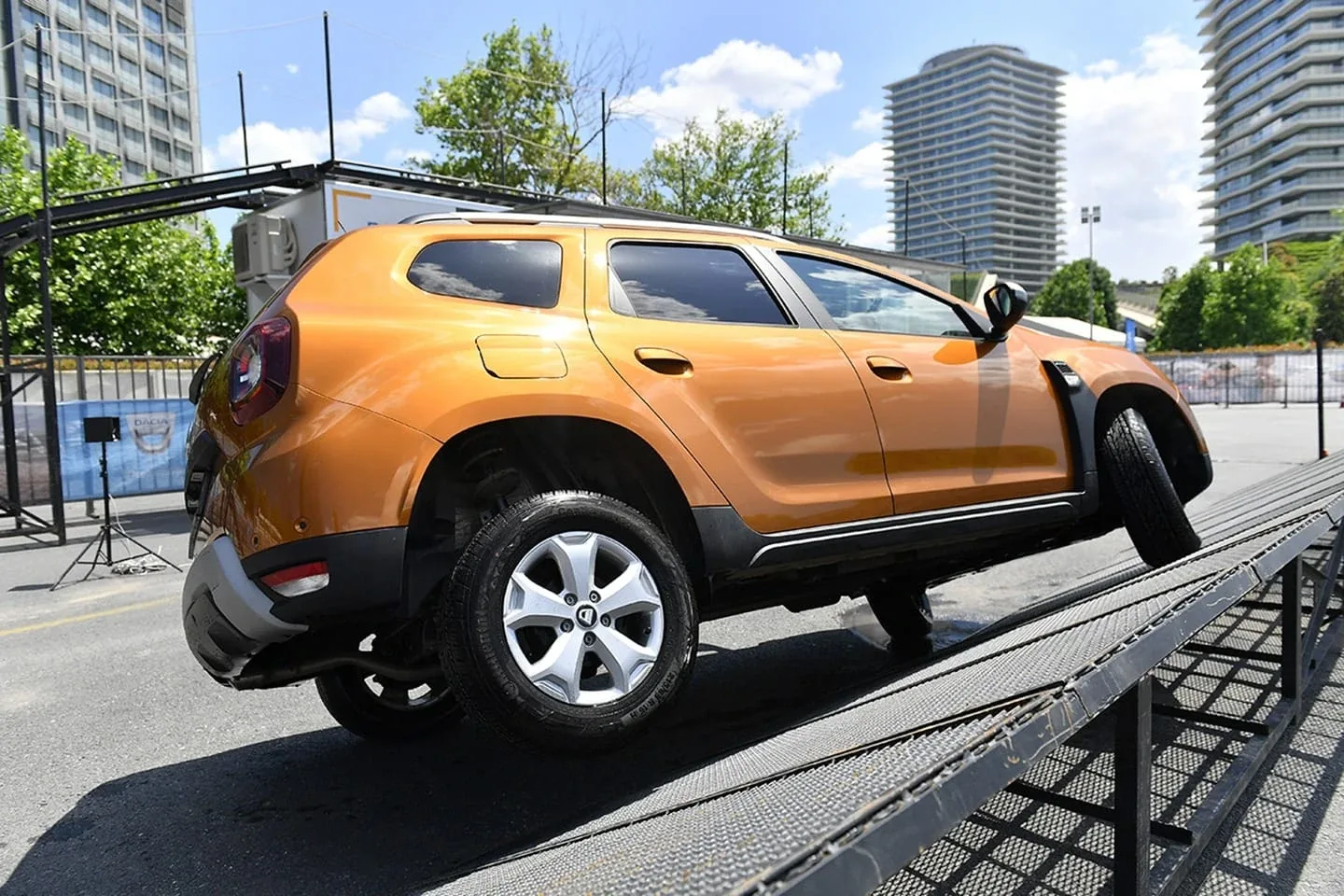
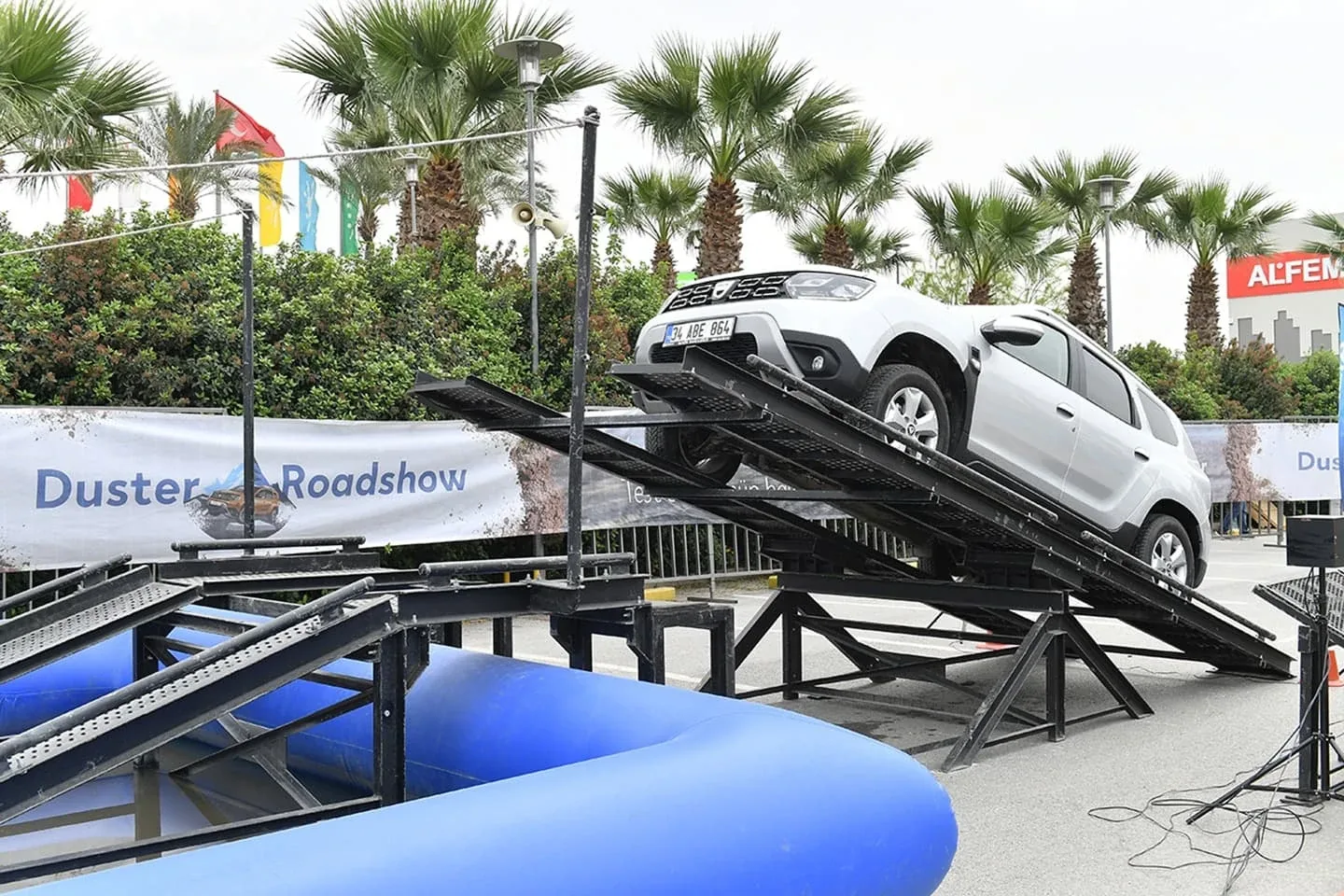
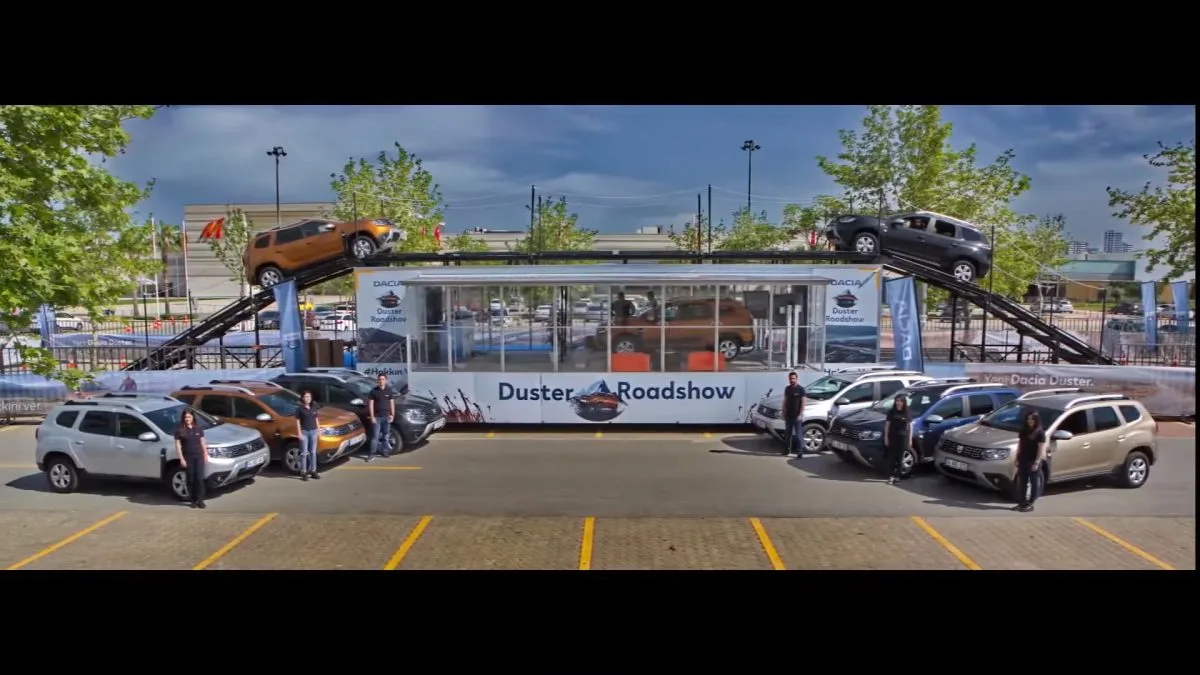
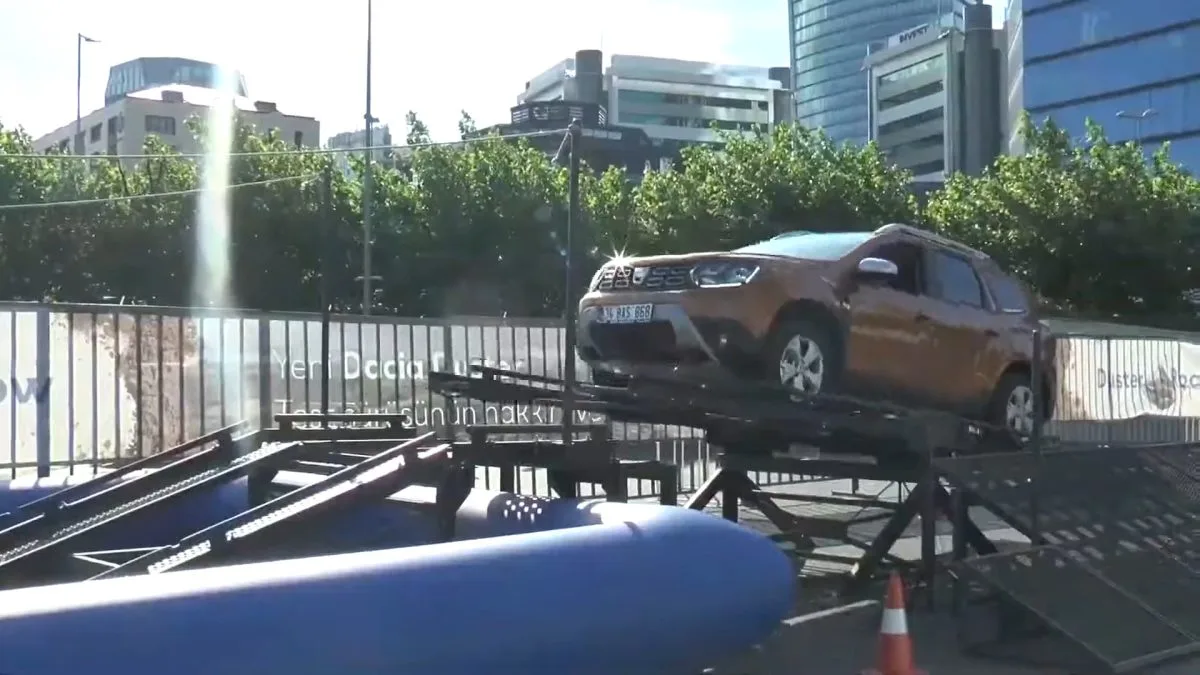
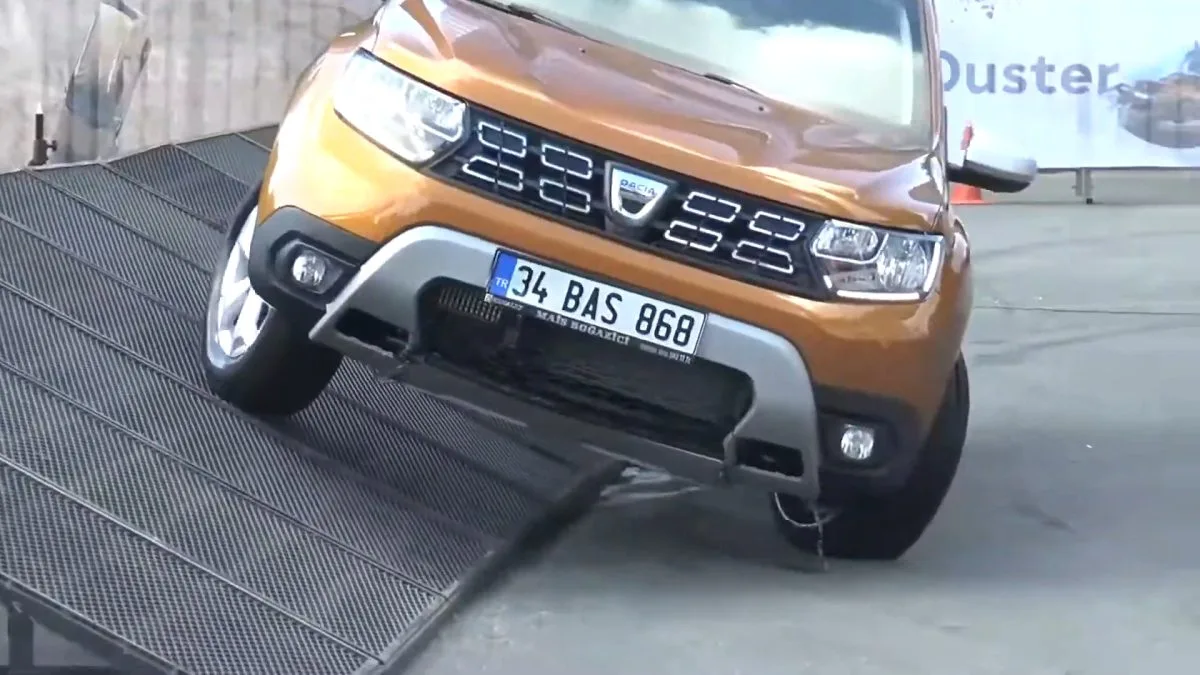
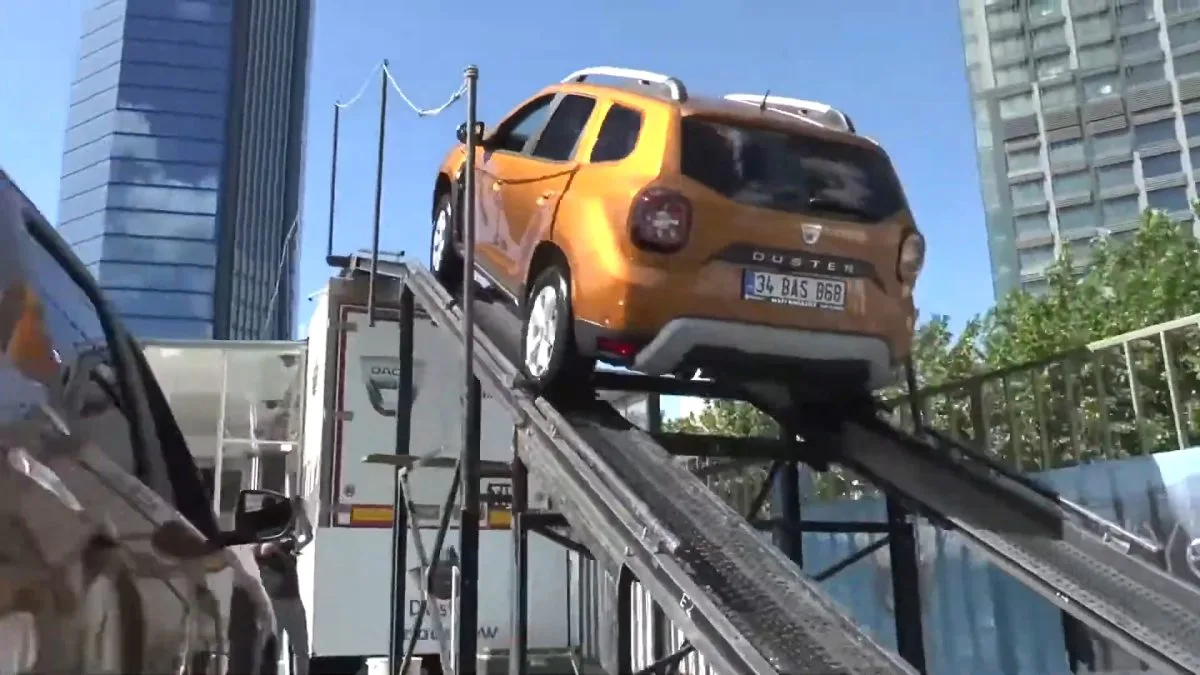
At the heart of the roadshow we placed not a taped lane in a mall lot but a real off-road course, built from scratch by our engineers. Inclines, dips, rocky passes — a track where the Duster's new suspension, drivetrain and chassis would be physically felt, not described. Pro drivers took the wheel; guests rode shotgun. It was a test drive — but not the classic kind. It was a drive where the car's real limits were actually being asked.
On top of this physical foundation we built two immersive experiences. Each guest picked one.
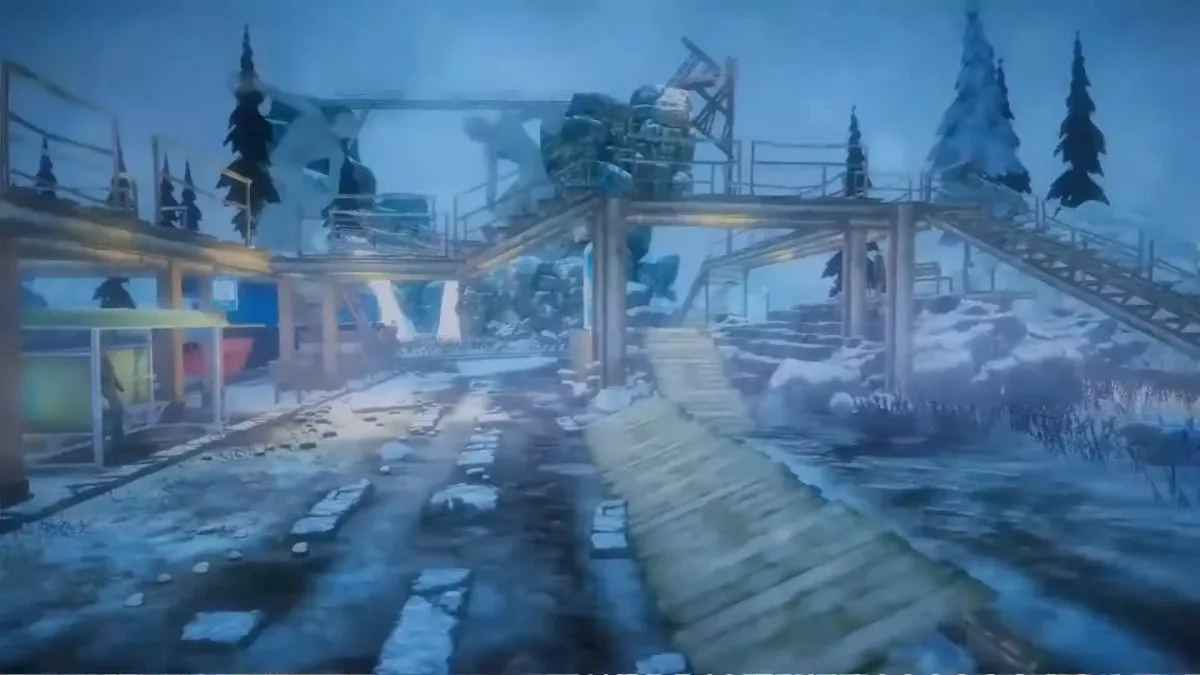
(1) The synchronised VR ride. When the guest put on the VR headset, their eyes opened — instead of the real track — into one of three scenarios they'd picked: mountain, forest or desert. Every turn, every jolt, every incline they saw inside the headset was frame-synced to the turn, jolt and incline the real car was making at that exact moment. Same body, same G-forces, different geography. Probably for the first time at an automotive roadshow, a guest stepped inside the places a Duster is actually built for.
(2) The Microsoft HoloLens experience. This was the more radical route. The guest put on a HoloLens — a device no Turkish brand had used at this scale before, in a moment when even the term "Mixed Reality" wasn't fully settled yet. The headset didn't shut out the real world: the guest still saw the track, the windshield, the pro driver beside them. On top of that, we layered in a Duster AI we'd designed from scratch — a character that moved around the car, touching the windshield, the doors, the engine, walking the guest through the new model's features. It kicked in at exactly the right moments in the drive: drivetrain on a climb, suspension on a rocky pass, body stabilisation on a sharp turn. The owner walked away from a feature tour without ever having seen a brochure or a salesperson — told by the car itself.
The instant the drive began, cameras we'd set up trackside and inside the car started recording automatically. By the time the guest stepped out and handed back the headset, a concept-edited drive video, titled with their own name, was already prepared — and, for those who consented, delivered as a shareable file for social media. The person who lived the experience walked away with their own video on their phone, captioned "Ayşe Yılmaz is driving the new Dacia Duster."
A Real Off-Road Course, Engineered
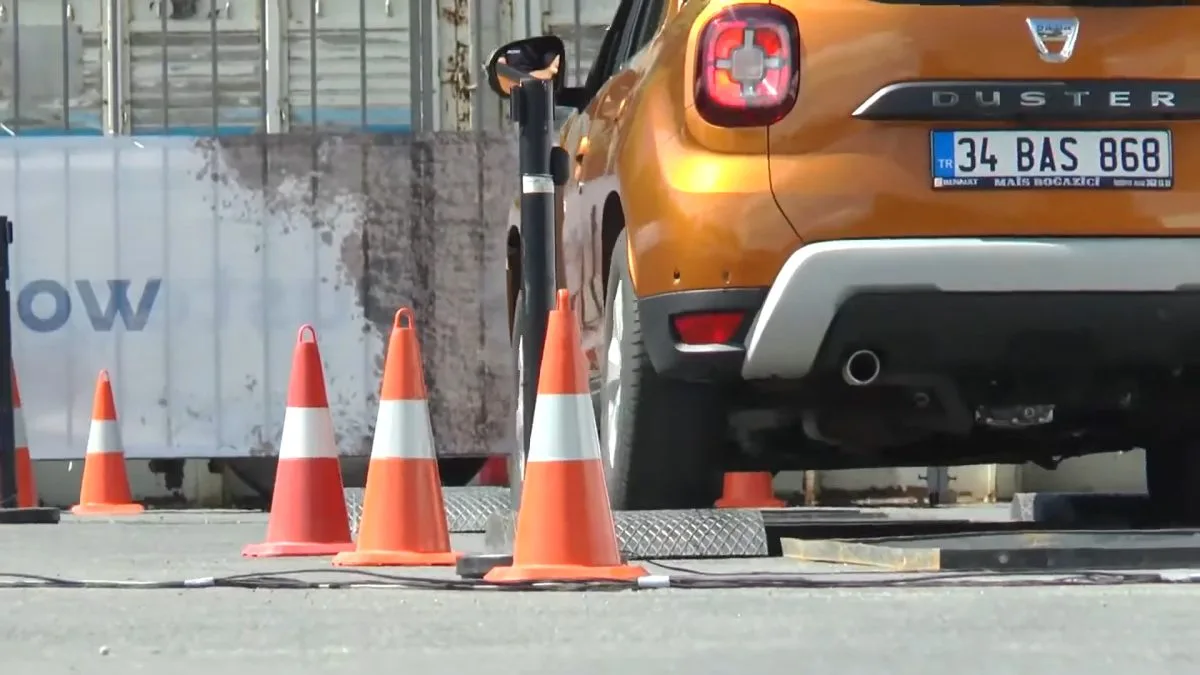
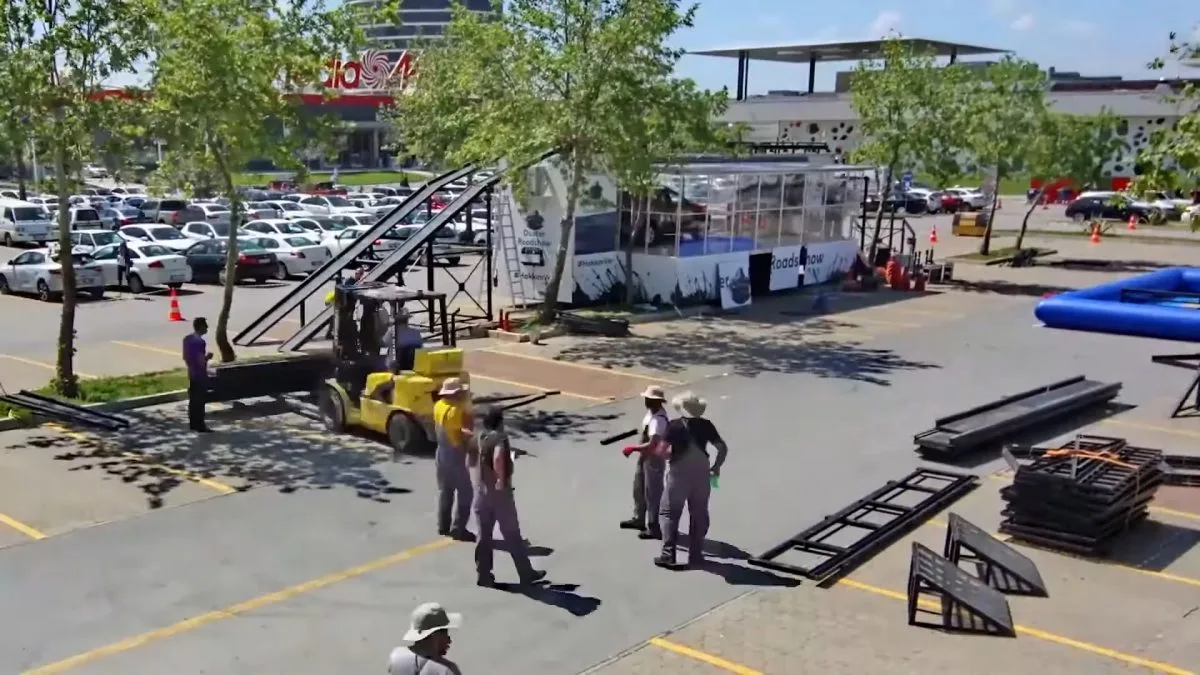
Not a taped lane in a mall lot — a real off-road course built city by city by our engineers. Inclines, dips, rocky passes: a physical track that explained the Duster's new suspension, drivetrain and chassis through the body, not through words. Pro drivers behind the wheel, guests in the passenger seat.
VR Synced to the Real Track — Mountain, Forest, Desert
When the guest put on the VR headset, the track turned into mountain, forest or desert. Every turn, every jolt, every incline the real car was making was mirrored frame-synced inside the headset. Same body, same G-forces, different geography — stepping into the places a Duster is actually built for.
Microsoft HoloLens — A First in Turkey
A Duster AI we designed from scratch appeared around the real car through HoloLens. It kicked in at exactly the right moments — drivetrain on a climb, suspension on a rocky pass, body stabilisation on a sharp turn. One of the first large-scale brand uses of HoloLens in Turkey, at a moment when even the term "Mixed Reality" wasn't fully settled.
An Auto-Personalised Video, Titled with the Guest's Name
The instant the drive started, trackside and in-car cameras kicked into automatic recording. By the time the guest handed back the headset, a concept-edited drive video was already prepared — titled with the guest's own name, ready as a shareable social file. People walked away from the activation with their own video — "Ayşe Yılmaz is driving the new Duster."
Execution
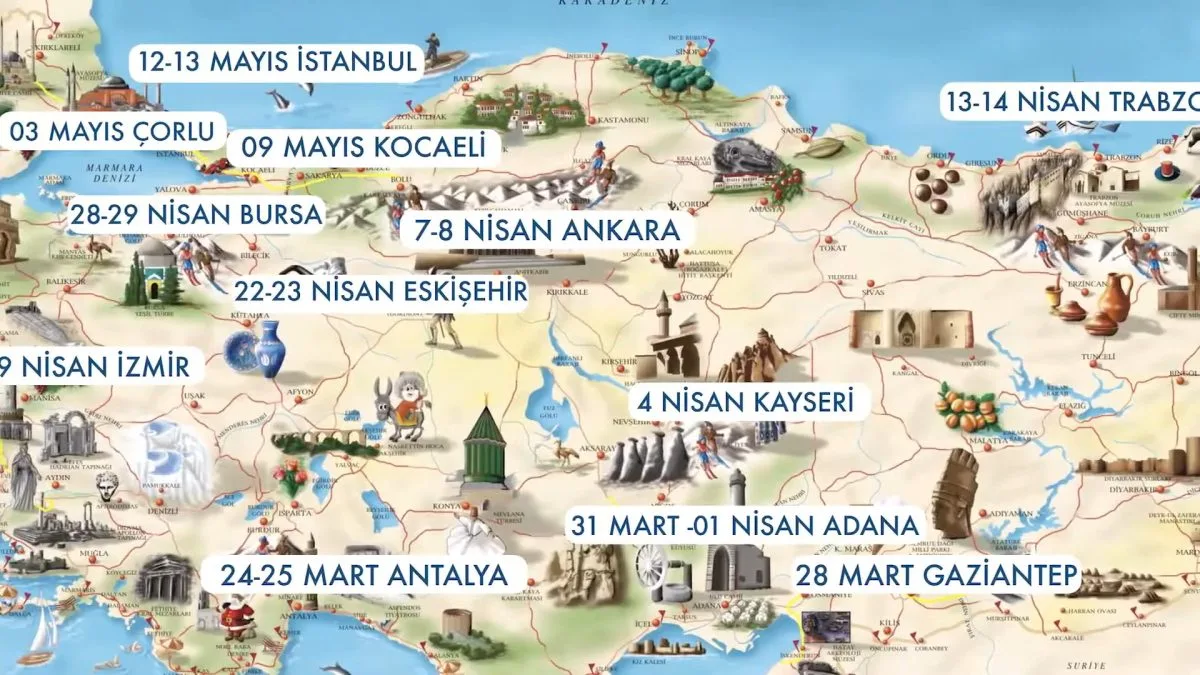
The concept was developed together with dsm group; technology, implementation and operations were run by Harikalar. Across the 12-city tour, every stop included rebuilding the real off-road course, installing both immersive stations, coordinating the pro drivers, and running the live automated video production pipeline.
Scope
- Engineering and city-by-city rebuild of the real off-road course
- Track-synced VR ride software (mountain, forest and desert scenarios)
- Custom Duster AI + Mixed Reality experience built from scratch on Microsoft HoloLens
- Trackside and in-car multi-camera rig + automatic trigger + personalised video production pipeline
- Pro driver coordination, visitor flow and on-site operations across 12 cities
Team
- Director & Experience Design: Atilla Baybara
- Technology & Software: Utku Olcar
- Operations: Yiğit Sarı
- Client Relations: Şaban Yılmaz
- + Mechatronic engineering, 3D / VR production, track build, on-site setup & operations teams
Results
- 2,053 test drives across 12 cities — the new Duster's chassis, drivetrain and suspension were physically felt by thousands of drivers on a real off-road course
- 649 guests went through the VR or Mixed Reality experience — either riding the real track inside a mountain/forest/desert scenario, or talking to the Duster AI through HoloLens
- 3,000+ visitors walked through the activation area; test cars covered 8,652 km in total
- Facebook live broadcasts reached 736,000 people — auto-produced personal driver videos triggered organic social spread in every city
- One of the first large-scale brand uses of Microsoft HoloLens in Turkey — at a moment when even the term "Mixed Reality" wasn't fully settled yet
- An activation that broke the standard roadshow + test drive mould — a format that managed to bring a 4×4's real promise into a mall lot
- Client
- Groupe Renault — Dacia
- Brand
- Dacia Duster
- Year
- 2018
- Location
- 12 şehir, Türkiye turnesi
- Format
- Off-road parkuru + VR + HoloLens MR + kişisel video
- Event Agency
- dsm group
- Technology, Production & Operations
- Harikalar
- Project Lead
- Atilla Baybara
- Technology
- Utku Olcar
- Client Relations
- Şaban Yılmaz
- Operations
- Yiğit Sarı
Just a Brief.
Tell us about your project — we'll prepare a custom proposal.
Message Received!
Our team will get back to you shortly.
Project Gallery